

Blog
Hidden Damage After a Car Accident: What Drivers in Show Low & Pinetop Should Watch For
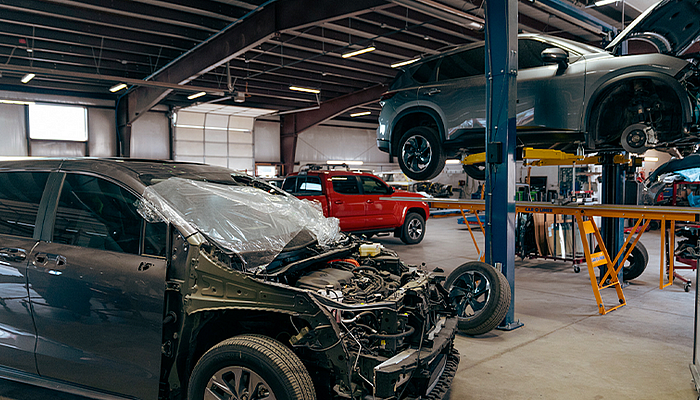
After a car accident, most drivers focus on what they can see. Scratches, dents, cracked bumpers, or a damaged fender are obvious reminders that something went wrong. But for drivers in Show Low, Pinetop-Lakeside, and surrounding White Mountains communities, the most serious damage is often the kind you can’t see.
Hidden damage is one of the most common — and most overlooked — issues following a collision. Even low-speed accidents can impact a vehicle’s structure, alignment, and safety systems in ways that don’t show up right away. Knowing what to watch for can make a significant difference in safety, reliability, and long-term costs.
Why Hidden Damage Is So Common After Accidents
Modern vehicles are engineered to absorb impact in specific ways. Crumple zones, reinforcements, and safety systems are designed to protect occupants, not preserve cosmetic appearance.
That means even a minor-looking accident in Show Low or Pinetop can transfer force beneath the surface. Panels may bounce back into place, paint may appear intact, and the car may still drive — but internal components may already be compromised.
In mountain communities where vehicles are relied on for longer drives and changing road conditions, that hidden damage can surface quickly if it isn’t identified and repaired properly.
Structural Damage Isn’t Always Obvious
One of the most serious forms of hidden damage involves the vehicle’s structure.
Frame or unibody damage doesn’t always result in dramatic visual clues. Instead, drivers may notice subtle changes such as:
- The vehicle pulling slightly to one side
- Uneven tire wear
- Doors, hood, or trunk not aligning properly
- Unusual creaks or flexing over bumps
On roads around Show Low and Pinetop-Lakeside — where elevation changes and rougher surfaces are common — these issues can affect handling and safety more quickly than drivers expect.
Suspension and Alignment Issues Can Appear Later
Suspension components absorb a significant amount of force during an accident. Even if the impact doesn’t look severe, control arms, struts, or mounting points can be bent or weakened.
Drivers may initially assume everything is fine, only to notice problems weeks later, such as:
- Steering that feels loose or unstable
- Increased vibration at highway speeds
- Difficulty maintaining alignment
- Reduced ride comfort
These issues aren’t just inconvenient — they can affect vehicle control, especially during winter driving conditions common in the White Mountains.
Safety Systems Can Be Affected Without Warning Lights
Many drivers assume that if no warning lights are on, their safety systems must be functioning correctly. Unfortunately, that isn’t always the case.
Sensors related to airbags, collision avoidance systems, and driver assistance features can be knocked out of position or damaged without triggering an immediate alert.
Hidden issues with these systems may not be noticeable until they’re needed — which is why proper inspection and calibration after an accident is so important.
Repair processes aligned with modern vehicle standards, supported by ongoing training such as I-CAR Gold Class recognition, help ensure these systems are evaluated correctly rather than assumed to be fine.
Electrical and Sensor Damage Isn’t Always Immediate
Today’s vehicles rely heavily on electrical systems and wiring harnesses. A collision can pinch, stretch, or partially damage wiring in ways that don’t cause immediate failure.
Over time, drivers in Show Low and Pinetop may experience:
- Intermittent warning lights
- Malfunctioning cameras or sensors
- Unexpected system errors
- Battery drain or electrical glitches
These problems often trace back to collision-related damage that wasn’t fully identified during initial repairs.
Cooling and Mechanical Components Can Be Compromised
Front-end impacts frequently affect cooling systems, even when exterior damage looks minimal.
Radiators, condensers, hoses, and mounts can be bent or stressed, leading to gradual leaks or overheating issues. In areas where longer drives between towns are common, these failures can leave drivers stranded far from help.
Addressing this type of damage early helps prevent breakdowns and costly secondary repairs.
Why Hidden Damage Matters More on White Mountains Roads
Driving conditions in the White Mountains are demanding. Elevation changes, temperature swings, wildlife crossings, and winter weather all place additional stress on vehicles.
For drivers traveling between Show Low, Pinetop-Lakeside, Lakeside, Snowflake, and Taylor, reliability isn’t just about convenience — it’s about safety.
Hidden damage that might go unnoticed in short city drives can become a serious issue during longer rural commutes or adverse conditions.
Thorough Inspections Make the Difference
The most effective way to catch hidden damage is through a detailed inspection process.
A quality collision repair inspection goes beyond surface-level damage and includes:
- Structural measurements and alignment checks
- Suspension and steering evaluations
- Inspection of safety and sensor systems
- Assessment of mechanical and cooling components
This approach reduces surprises later and helps ensure repairs address the full scope of damage.
Local Accountability Matters
Choosing a collision repair shop that serves Show Low and Pinetop-Lakeside regularly means choosing a team familiar with local driving conditions and expectations.
Local accountability encourages thoroughness. Shops rooted in the community understand that missed damage affects not just a vehicle, but a neighbor’s safety and trust.
Participation in quality-focused programs like the USAA STARS Network further reinforces a commitment to consistent repair standards and customer experience.
Signs Drivers Should Pay Attention To After Repairs
Even after a repair, drivers should remain attentive to changes in how their vehicle feels.
Warning signs that may indicate hidden damage include:
- Persistent vibrations or pulling
- Unusual noises over bumps
- Dashboard alerts appearing days or weeks later
- Changes in braking or steering response
Addressing these concerns early helps prevent further damage and restores confidence on the road.
Why Cutting Corners on Inspections Costs More Later
Skipping thorough inspections may save time initially, but it often leads to repeat repairs, increased costs, and prolonged stress.
Hidden damage left unaddressed can worsen over time, turning a manageable repair into a larger problem.
For drivers in Show Low and Pinetop, doing it right the first time helps avoid unnecessary downtime and protects long-term reliability.
Peace of Mind Comes From Knowing What’s Beneath the Surface
After an accident, peace of mind doesn’t come from appearances alone. It comes from knowing the repair addressed what you can’t see.
Thorough inspections, proper repair methods, and clear communication allow drivers to move forward without second-guessing every mile.
A Smart Next Step After an Accident
For FREE Estimates: 1.928.368.2288
Address: 2701 Porter Mountain Rd. Lakeside, AZ 85929
When an accident occurs in Show Low or Pinetop-Lakeside, starting with a comprehensive estimate helps identify hidden damage early. That process can begin through Heck’s Collision’s estimate request form, providing clarity and confidence from the start.
Because when it comes to collision repair, what you can’t see matters just as much as what you can.
‹ Back
Recent Posts
-
When Is a Car "Totaled"? Understanding Total Loss vs. Repair in Arizona
September 8, 2026
-

-
-
-