


Blog
How Long Does Collision Repair Take? What Arizona Drivers Should Know
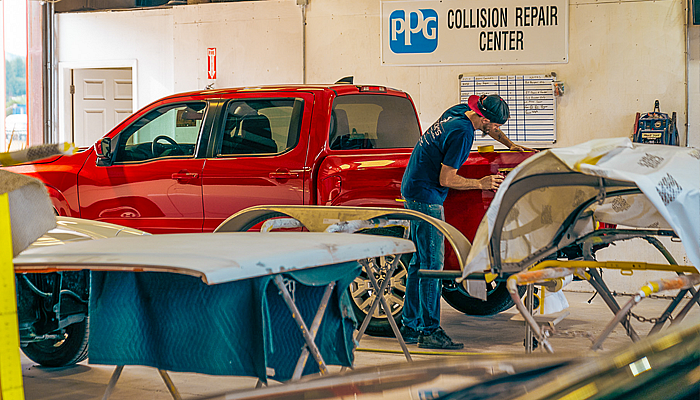
After a car accident, one of the first questions most people ask is: how long is this going to take? It's a completely reasonable concern. Life doesn't pause for repairs. Work schedules, family commitments, and daily responsibilities keep moving — and being without a vehicle in a rural area like the White Mountains can make an already stressful situation feel overwhelming.
The honest answer is that collision repair timelines vary significantly depending on several factors. But understanding what drives those timelines — and what doesn't — can help you set realistic expectations and make smarter decisions about where and how your vehicle gets repaired.
Why There's No Single Answer
Collision repair isn't a one-size-fits-all process. A vehicle that came in with a cracked bumper after a slow parking lot scrape is a very different job than a vehicle that sustained front-end structural damage on Highway 260. Both are collision repairs — but the comparison ends there.
The time it takes to repair your vehicle depends on a combination of factors that aren't always predictable at the outset. What looks like a simple repair on the surface sometimes reveals additional damage once the vehicle is disassembled and inspected — which is one reason why thorough estimates and proper inspections matter so much at the beginning of the process.
Factor 1: The Extent of the Damage
This is the most obvious variable, but it's worth breaking down. Collision damage generally falls into a few broad categories:
- Minor cosmetic damage: Small dents, scratches, or scuffs that don't affect the structure or safety systems of the vehicle. These repairs can often be completed in one to three days.
- Moderate damage: Panel replacement, bumper repair, or damage that requires some disassembly. These jobs typically take three to seven business days, depending on parts availability.
- Significant structural or multi-panel damage: Repairs involving frame straightening, multiple panels, safety system calibration, or major component replacement can take one to three weeks or more.
At Heck's Collision Center, every vehicle goes through a thorough inspection before a repair plan is confirmed. This helps identify hidden damage early — rather than discovering it mid-repair and extending the timeline unexpectedly. You can request a free estimate online to get the process started before your vehicle even arrives at the shop.
Factor 2: Parts Availability
One of the most significant — and least discussed — variables in collision repair timelines is parts availability. Even when a shop has the capacity and expertise to complete a repair quickly, the process can slow to a halt while waiting on a specific panel, sensor, or component to arrive.
This is especially relevant for drivers in Northeastern Arizona. Show Low, Lakeside, and the White Mountains area are not close to major automotive distribution hubs. Parts that might arrive overnight for a Phoenix shop can take several additional days to reach the region.
Working with a shop that has established supplier relationships and experience ordering parts for a wide range of makes and models helps minimize these delays. It also helps to choose a shop — like Heck's — that communicates proactively when parts are the bottleneck, so you're never left wondering what's happening with your vehicle.
Factor 3: Insurance Approvals
The insurance claims process can add time to a repair that the shop itself has no control over. After a damage estimate is submitted, insurance companies often need time to review, approve, and sometimes send their own adjuster before authorizing repairs to begin.
Choosing a shop that handles insurance coordination directly — rather than leaving that back-and-forth to you — can significantly reduce delays. Heck's Collision Center works with most major insurance carriers and knows how to document damage in a way that moves the approval process forward, rather than creating friction.
If there is supplemental damage discovered during the repair that wasn't in the original estimate, the shop will need to submit an updated claim. This adds time, but it's a sign that the shop is doing the job thoroughly — not cutting corners to stay within an original estimate that didn't account for hidden damage.
Factor 4: The Complexity of the Repair Itself
Modern vehicles are significantly more complex than vehicles from a decade ago. Advanced driver assistance systems (ADAS), cameras, radar sensors, and other technology are often integrated into bumpers, mirrors, and windshields. When these components are damaged in a collision, they can't just be replaced — they need to be recalibrated to factory specifications.
This calibration process requires specialized equipment and certified training. Shops that hold I-CAR Gold Class certification, like Heck's Collision Center, invest in ongoing education specifically to keep up with this kind of evolving vehicle technology. Proper calibration takes time — but skipping it creates safety risks that no driver in Show Low, Pinetop, or anywhere else in the White Mountains should accept.
Factor 5: Paint and Curing Time
Even after the physical repairs are complete, the paint and refinishing process has its own timeline. Paint needs to be applied in stages, with adequate drying and curing time between coats. Rushing this step results in finishes that don't hold up — and that show their age far sooner than a properly applied paint job should.
For vehicles in the White Mountains region, where UV exposure and temperature swings are significant factors, a properly cured paint finish is especially important. The difference between a rushed paint job and a properly completed one becomes apparent within a season or two.
What Happens If a Shop Promises an Unusually Short Timeline?
It's worth asking why. A shop that guarantees an exceptionally fast turnaround may be cutting steps to meet that commitment. Steps like thorough frame inspection, proper parts sourcing, or adequate paint curing time are not optional — they're the difference between a repair that lasts and one that creates problems down the road.
For drivers in Lakeside, Show Low, and surrounding areas, a vehicle that needs to come back for follow-up repairs or that develops issues because a repair was rushed is far more disruptive than one that takes a reasonable amount of time to do correctly. Trust matters more than speed — and the best shops don't sacrifice one for the other.
How to Make the Process Go as Smoothly as Possible
There are a few things drivers can do on their end to help keep the repair process moving:
- Report the accident to your insurance company promptly and let the shop know your claim number as soon as possible.
- Bring your vehicle in for an estimate quickly — delays in assessment can push the entire timeline back.
- Stay in contact with the shop and respond promptly if they need additional information or approvals from you.
- Ask the shop upfront about their communication process — how often will they update you, and who is your point of contact?
Heck's Collision Center also offers pickup and drop-off service, which helps reduce the logistical strain of being without a vehicle during the repair period. For drivers across Northeastern Arizona, that convenience can make a real difference.
Get an Accurate Timeline — Start With an Estimate
The only way to get a realistic sense of how long your specific repair will take is to have the vehicle properly assessed. Every repair is different, and a real estimate — not a ballpark guess — gives you the information you need to plan.
Heck's Collision Center
2701 Porter Mountain Rd., Lakeside, AZ 85929
1.928.368.2288
Monday – Friday: 8:00 AM – 5:00 PM
Request your free estimate online and take the first step toward getting your vehicle — and your routine — back on track. Serving Show Low, Pinetop-Lakeside, Lakeside, Snowflake, Taylor, and all of Northeastern Arizona.
‹ Back
Recent Posts
-

-
-
-
How to Read Your Collision Repair Estimate: A Line-by-Line Guide
September 29, 2026
-

Rental Cars and Loaners During Collision Repair: How Coverage Works in AZ
September 22, 2026