


Blog
Cinders, Chemicals, and Your Paint: How Winter Road Treatment Affects White Mountains Vehicles
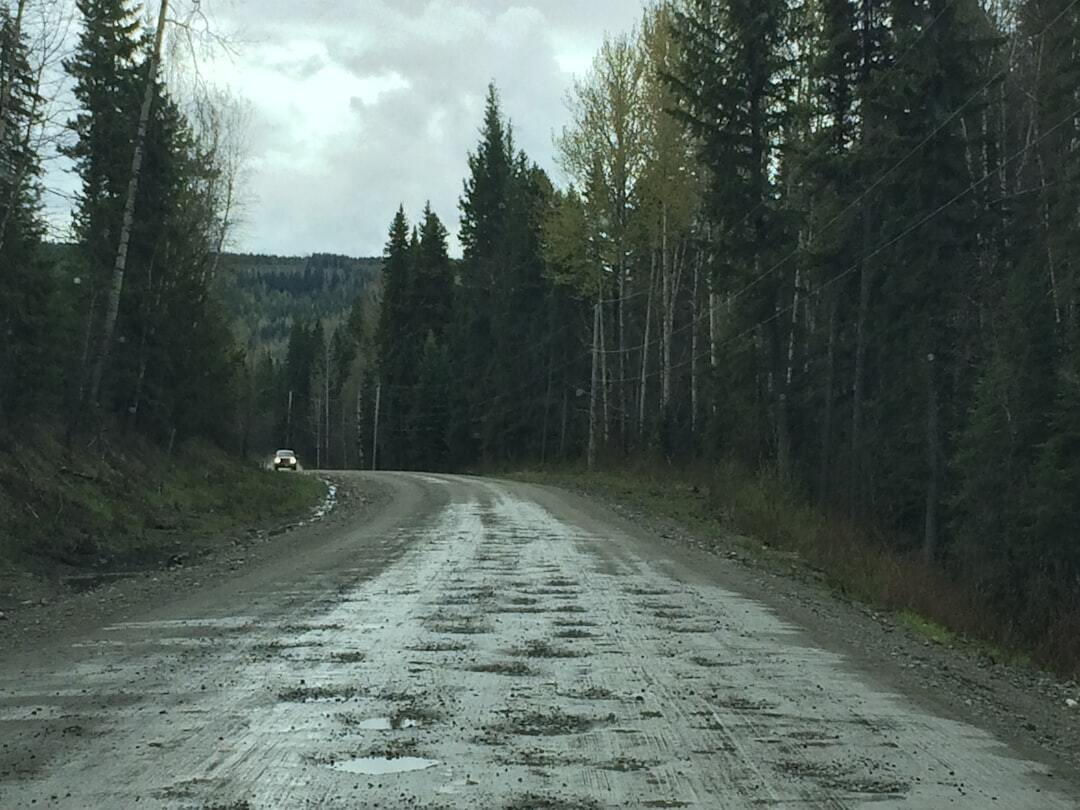
Every winter, the roads around Show Low, Pinetop-Lakeside, and the rim get treated so the rest of us can keep driving. Cinders go down for traction, and on some stretches a liquid de-icer gets applied before a storm. It works, and it keeps people safe. It is also quietly hard on your vehicle.
Most drivers up here never think about it until spring, when the paint looks dull, there is a rust bubble on a rocker panel, or something under the truck has started to corrode. The damage does not happen in one storm. It accumulates over a season, and it is very preventable if you understand what is actually happening.
Cinders Are Abrasive, Not Just Gritty
Arizona's high country leans heavily on cinders rather than the heavy road salt used in the Midwest and Northeast. That is generally good news for corrosion, because cinders are volcanic rock rather than a chemical. But they are not harmless.
Cinders are sharp and hard. When a vehicle ahead of you kicks them up at highway speed, they hit your paint like tiny projectiles. Over a winter of commuting on the 260 or the 60, that produces:
- Chipping along the hood's leading edge, the front bumper, and the lower doors
- Sandblasting of the clear coat, which shows up as a dulled, hazy look on forward-facing surfaces
- Pitting on the windshield and headlight lenses
- Packed accumulation in wheel wells and underbody seams, where the material holds moisture against metal
That last one is the sneaky one. Cinders themselves do not cause rust. Cinders packed into a seam, holding snowmelt against a chip in the paint for three months, absolutely do.
The Chemical Side
Where liquid de-icers or magnesium chloride are used, the picture changes. These compounds are effective at keeping ice from bonding to pavement, and they are also hygroscopic, meaning they pull moisture from the air. A residue left on your undercarriage does not simply dry out. It stays damp and keeps working on any exposed metal it can find.
This is why the underbody matters more than the paint you can see. Brake lines, fuel lines, suspension components, subframe seams, and the pinch welds along the bottom of the vehicle all live in that spray zone. On an older vehicle, or one that already has an unrepaired chip or scrape down low, a winter of chemical exposure does real work.
Why Elevation Makes It Worse
Up here, the freeze and thaw cycle runs constantly. A sunny afternoon at 6,000 feet can put the temperature well above freezing, and the same night can drop it back into the twenties. Water gets into a chip or a seam during the day, freezes overnight, and expands.
That expansion lifts paint at the edges of a chip, widening it. The next day, more moisture gets into the slightly larger opening. Repeat that a hundred times over a season and a chip the size of a pencil eraser becomes a quarter-sized patch of lifted paint with corrosion underneath. This is the single most common way a minor cosmetic issue turns into actual bodywork.
What Actually Protects a Vehicle Through the Season
The good news is that the defense is simple and cheap compared to the repair.
Fix Exposed Metal Before the Season, Not After
This is the highest-value step by a wide margin. Any place where the paint is broken through to bare metal is an open door. Walk your vehicle in good light and look hard at the hood's leading edge, the lower doors, the rocker panels, the wheel arches, and behind the wheels. If you see bare metal or a chip that has already started to discolor, get it sealed now.
Wash More Often Than Feels Necessary, and Wash Underneath
A clean vehicle in winter is not about appearance. Rinsing the underbody removes the accumulated cinders and chemical residue before they have time to do damage. Use a wash with an undercarriage rinse, and do it on the warmer days when the water will not immediately freeze in your door locks and seals.
Keep the Clear Coat Intact
A wax or sealant applied before winter gives the abrasive material something to slide off of instead of biting into. It is not armor, but it meaningfully reduces the dulling and micro-scratching that accumulates over a season of cinder spray.
Pay Attention to the Places You Cannot See
Wheel wells, the area behind the bumper covers, and the seams along the bottom of the doors trap material. A rinse that only hits the painted surfaces misses exactly the spots that matter most.
If you have chips, scrapes, or spots of surface rust that need to be sealed before the weather turns, now is the time rather than April. Request a free estimate online and we will tell you honestly what needs attention and what can wait.
What to Watch For as Winter Goes On
A few signs are worth catching mid-season rather than in spring:
- Bubbling or blistering paint, especially low on the body. That is corrosion working underneath, not a surface problem.
- A rough or gritty feel to forward-facing paint, which indicates the clear coat is taking abrasion.
- Rust-colored staining running down from a seam or a chip.
- Doors or the hood not closing quite right, which can indicate corrosion or debris built up in the jambs and hinges.
None of these are emergencies. All of them get significantly cheaper the sooner they are addressed.
Why the Repair Method Matters for Corrosion
When corrosion damage does get repaired, how it is done determines whether it comes back. Sanding down a rust spot and shooting paint over it hides the problem for a season or two. Doing it properly means removing the corrosion completely, treating the metal, restoring the factory corrosion protection, and refinishing with the right primers and sealers in the right order.
Modern vehicles leave the factory with engineered corrosion protection on their panels and in their seams. Any repair that disturbs those areas has to restore that protection, or the repaired area becomes the weakest point on the vehicle. That is one of the reasons manufacturer-approved procedures exist, and one of the reasons certification matters.
The Short Version
Winter road treatment in the White Mountains is not going away, and it should not. What you can control is whether your vehicle goes into the season with its protective layers intact. Sound paint, no exposed metal, sealed seams, and a regular rinse will carry most vehicles through a winter with no lasting harm. Ignoring a few chips in October is how people end up with real bodywork in April.
As an I-CAR Gold Class certified shop, Heck's Collision Center repairs corrosion and paint damage to manufacturer specification, including restoring the factory corrosion protection that a proper repair requires. If you want an honest assessment before winter sets in, we are glad to take a look.
Learn more about our auto body repair services, browse completed work examples, or read what local drivers have said about their experience.
Heck's Collision Center
2701 Porter Mountain Rd., Lakeside, AZ 85929
928.368.2288
Monday to Friday: 8:00 AM to 5:00 PM
Request your free estimate online. Proudly serving Show Low, Pinetop-Lakeside, Lakeside, Snowflake, Taylor, and all of Northeastern Arizona.
‹ Back
Recent Posts
-
-
How to Read Your Collision Repair Estimate: A Line-by-Line Guide
September 29, 2026
-

Rental Cars and Loaners During Collision Repair: How Coverage Works in AZ
September 22, 2026
-
-
When Is a Car "Totaled"? Understanding Total Loss vs. Repair in Arizona
September 8, 2026