

Blog
Getting Your Vehicle Ready for a White Mountains Winter: A Pre-Season Body Check
Winter in the White Mountains is no joke. While much of Arizona stays mild, the high country around Show Low, Pinetop-Lakeside, and the rim gets real snow, ice, and the freezing temperatures that come with elevation. Getting your vehicle ready for that is mostly about the mechanical basics, but there is an important part that often gets overlooked: the condition of your vehicle's body, paint, and undercarriage heading into the harshest season.
A pre-season body check is a smart move, because winter is exactly when small, ignored problems turn into expensive ones. Here is what to look at before the snow flies.
Why Winter Is Hard on a Vehicle's Body
Cold, moisture, and the materials used to treat roads combine to attack a vehicle's exterior and underbody. Cinders and any de-icing materials kick up against the paint and accumulate in the underbody. Moisture from snow and slush works into every gap, seam, and chip. And the constant freeze-thaw cycle expands and contracts everything, finding any existing weakness.
The vehicles that come through winter in the best shape are the ones that started the season with their protective layers intact, meaning sound paint, sealed seams, and no open chips or rust spots inviting trouble.
Address Chips, Scratches, and Exposed Metal First
This is the single most important pre-winter step from a body standpoint. Any place where the paint is chipped, scratched, or worn through to bare metal is an open door for moisture and corrosion. In summer that might progress slowly, but winter accelerates it dramatically. Salt and moisture sitting against exposed metal through months of cold is how a minor chip becomes a real rust problem by spring.
Walk around your vehicle and look closely at the hood, the leading edges, the lower doors, the rocker panels, and the wheel arches. Any exposed metal should be addressed before winter, not after. Catching it now is a touch-up. Catching it in spring can be bodywork.
Check the Undercarriage and Lower Panels
The underside of the vehicle takes the worst of winter and gets the least attention. Before the season, it is worth having the undercarriage and lower body looked at for:
- Existing rust or corrosion that will worsen over winter
- Damaged or missing underbody shields and splash guards that normally protect components
- Loose or damaged trim and panels that let moisture and debris reach areas they should not
- Prior repair areas that should be checked for sound sealing
If your vehicle has unaddressed body damage, exposed metal, or undercarriage concerns, getting them handled before winter protects the vehicle through the hardest months. Request a free estimate online for a pre-season assessment.
Do Not Forget Glass and Lights
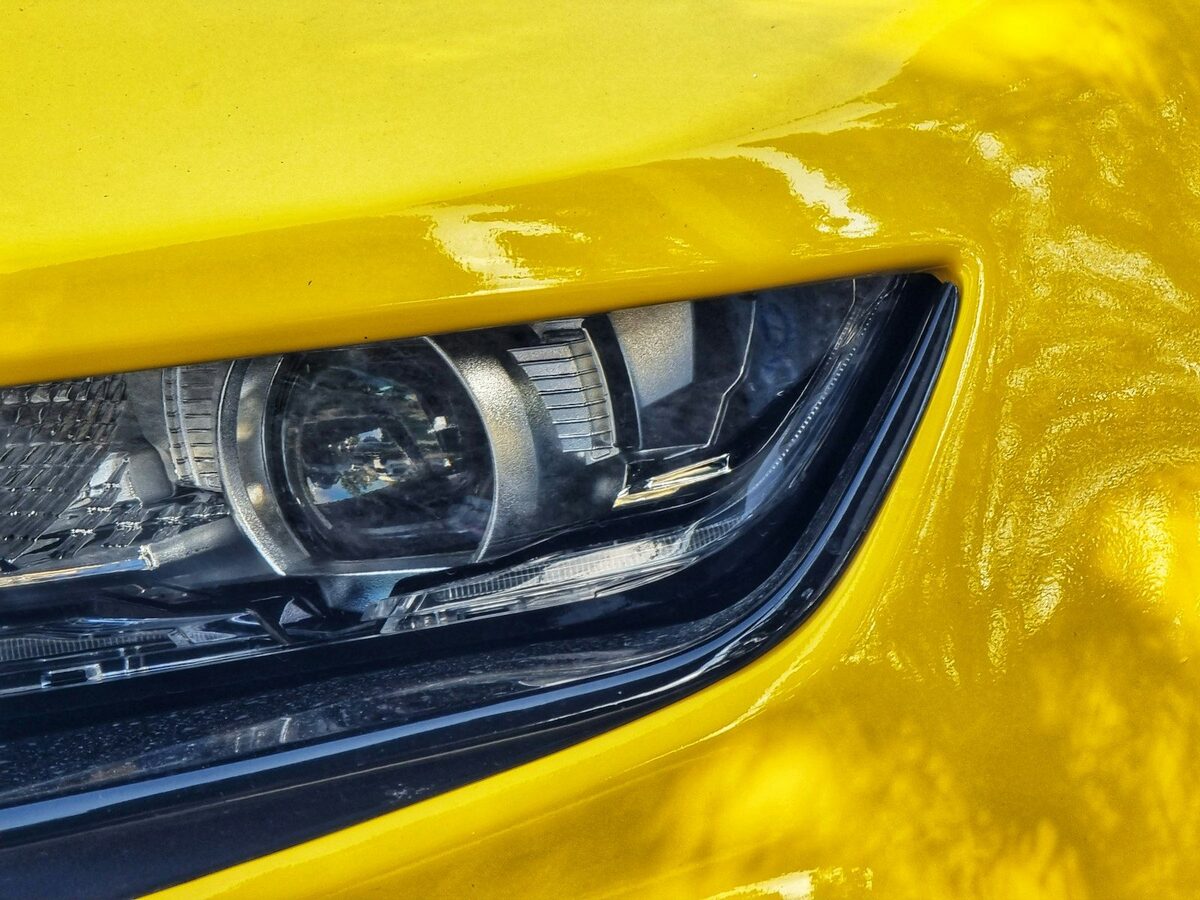
Two more items round out a pre-winter body check. First, glass: a small windshield chip is far more likely to spread into a full crack in winter, when the temperature difference between a cold exterior and a heated interior stresses the glass. Address chips before the cold sets in. Second, lights: with short winter days and early darkness, clear, effective headlights matter more than ever. If your lenses are hazy or yellowed, restoration before winter improves your visibility when you need it most.
Protect the Finish
Beyond fixing problems, a little protection helps. A good coat of wax or sealant before winter gives the paint a sacrificial barrier against the moisture and grit of the season. Keeping the vehicle washed through winter, including the underbody when you can, removes the accumulated material that holds moisture against the metal. These simple habits meaningfully slow corrosion.
Why Waiting Until Spring Costs More
It is tempting to put off a small chip or a bit of surface rust until the weather warms up. The problem is that winter is precisely when those small issues do their worst damage. A chip that exposes bare metal becomes a corrosion site the moment moisture and road treatment reach it, and a White Mountains winter provides months of exactly that. What would have been a quick touch-up in the fall can become a panel that needs real bodywork by spring.
The same logic applies to a cracked windshield, a failing door seal, or a damaged underbody shield. Each one gets worse, not better, over a hard winter. Addressing these before the cold sets in is almost always cheaper than dealing with the consequences once the snow melts.
Visibility: Wipers, Washer Fluid, and Mirrors
Winter driving is hard on visibility, so it is worth checking the parts that keep you seeing clearly. Wiper blades that are streaky or torn should be replaced before they have to deal with snow and slush. Washer fluid should be a winter formula rated for freezing temperatures, since plain water or summer fluid can freeze in the lines and on the glass. Make sure your mirrors and any cameras are intact and clean, and that heated mirror or defrost functions work if your vehicle has them. These are small items, but they make a real difference when you are driving in a squall.
A Simple Pre-Winter Walkaround
You do not need to be an expert to spot most of the warning signs. Once before winter, walk slowly around your vehicle in good light and look for:
- Any chips, scratches, or spots where you can see bare metal
- Early rust, especially along the lower doors, rocker panels, and wheel arches
- Cracked or peeling paint, and any bubbling that can signal corrosion underneath
- Loose, cracked, or missing trim and underbody shields
- Chips or cracks in the glass, and hazy or yellowed headlights
- Door and window seals that are dried out or cracked
Anything you find now is far easier and cheaper to address before the season than after it. If your walkaround turns up exposed metal, rust, or body and glass concerns, a professional assessment will tell you what needs attention before winter.
Go Into Winter With Confidence
A pre-season body check is not complicated, but it pays off. Sealing up the chips, addressing exposed metal, checking the underbody, and protecting the finish means your vehicle goes into winter with its defenses up, and comes out in spring without the unpleasant surprises that catch unprepared drivers. As an I-CAR Gold Class certified shop, Heck's Collision Center can handle pre-winter body, paint, and glass concerns using manufacturer-approved procedures.
Learn more about our services, or browse completed work examples from drivers across the White Mountains.
Heck's Collision Center
2701 Porter Mountain Rd., Lakeside, AZ 85929
928.368.2288
Monday to Friday: 8:00 AM to 5:00 PM
Request your free estimate online. Proudly serving Show Low, Pinetop-Lakeside, Lakeside, Snowflake, Taylor, and all of Northeastern Arizona.
‹ Back
Recent Posts
-
-
When Is a Car "Totaled"? Understanding Total Loss vs. Repair in Arizona
September 8, 2026
-
-
-