

Blog
Winter Windshield Damage: Why a Small Chip Spreads Fast in Freezing Weather
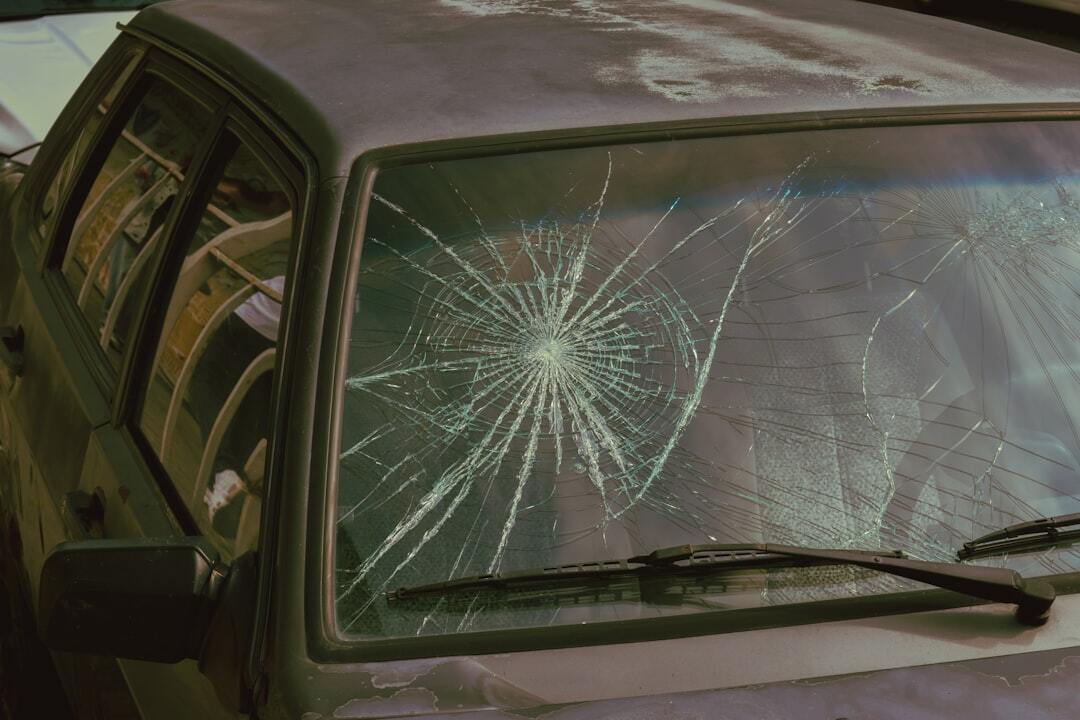
You picked up a chip in your windshield sometime over the summer. It is small, it is off to the side, and you have been meaning to deal with it. Then the first real cold snap arrives, you start the truck, turn the defroster to high, and by the time you get to town there is a crack running eight inches across the glass.
This happens constantly in the White Mountains, and the timing is not a coincidence. Winter is when small chips become large cracks, and understanding why makes it obvious how to prevent it.
Why Cold Weather Turns a Chip Into a Crack
A windshield is laminated safety glass: two layers of glass bonded to a plastic interlayer. It is strong, but it is under constant tension and it expands and contracts with temperature like everything else.
A chip is a defect in that structure. It is a point where the glass is already compromised, and it concentrates any stress the windshield experiences. Winter delivers stress in several ways at once.
Thermal Shock
This is the big one. When you blast a hot defroster at a windshield that is 20 degrees, the inside surface warms and expands rapidly while the outside stays frozen and does not. The glass is being pulled in two directions at once, and all of that stress concentrates exactly at the weakest point, which is your chip.
The same thing happens in reverse when a warm vehicle gets hit with cold rain or snow, and it happens dramatically when someone pours hot water on a frozen windshield to clear it. That last one cracks windshields that had no chip at all.
Moisture and Freezing
Water works its way into a chip. When it freezes it expands, and it applies force directly inside the defect, prying it open. Every freeze and thaw cycle makes the chip slightly worse. At this elevation we get that cycle nearly every day through the winter.
Flex and Vibration
Frost heaves, potholes, washboard forest roads, and general winter road deterioration all flex the vehicle body, and the windshield is a structural part of that body. Every flex works on the chip.
The Windshield Is Structural
Many drivers think of the windshield as a window. It is not. On a modern vehicle it is a load-bearing component that contributes meaningfully to roof crush resistance in a rollover, and it provides the backstop that lets the passenger airbag deploy in the correct direction rather than pushing the glass out.
That is why a damaged windshield is a safety issue rather than a cosmetic one, and why the quality of a replacement matters. A windshield that is not bonded correctly, with the right adhesive and the correct cure time, may not hold in a crash.
Repair or Replace?
The general guidance, and your specific situation may differ:
- Small chips can usually be repaired if they are addressed promptly. A resin injection fills the defect, restores much of the strength, and stops it from spreading.
- Cracks in the driver's primary sightline typically require replacement, because even a good repair leaves some distortion.
- Long cracks, generally beyond a few inches, usually mean replacement.
- Damage at the edge of the windshield is more serious than it looks, because that is where stress concentrates. Edge cracks spread fast.
- Multiple chips close together often means replacement rather than several repairs.
The economics strongly favor acting early. A chip repair is quick and inexpensive, and many insurance policies with comprehensive coverage handle it with little or no deductible, since insurers would much rather pay for a repair than a replacement. Once it becomes a crack, that option is gone.
If winter weather has left you with glass damage, or with body damage you have been putting off, request a free estimate online and we will give you a straight assessment of what needs doing.
The Part Most Drivers Do Not Know About: Calibration
This is the single most important thing to understand about modern windshield replacement.
Many vehicles built in the last several years have a forward-facing camera mounted to the windshield, behind the mirror. That camera runs lane departure warning, lane keeping assist, automatic emergency braking, adaptive cruise control, and traffic sign recognition, depending on the vehicle.
That camera is aimed with extremely tight tolerances. When the windshield is replaced, the camera comes off and goes back on, and the new glass is not in precisely the same position as the old glass. A difference of a fraction of a degree at the camera translates into being off by a great deal at a distance of a hundred feet.
Which means the system must be recalibrated after the glass is replaced. Not sometimes. As a matter of manufacturer procedure.
An uncalibrated camera does not usually announce itself with a warning light. It simply misjudges. It may brake for something that is not there, fail to brake for something that is, or read lane markings incorrectly. That is a genuine safety problem, and it is one that a driver has no easy way to detect on their own.
If you have a windshield replaced anywhere, ask directly whether your vehicle requires calibration and whether it will be performed and documented. A shop that cannot answer that clearly is not the right shop for the job.
Preventing Winter Glass Damage
- Fix chips before the cold arrives. This is the whole ballgame.
- Warm the vehicle gradually. Start with the defroster on low or medium and let it come up. Do not go straight to maximum heat on frozen glass.
- Never use hot water on a frozen windshield. It is the fastest way to crack good glass.
- Use a proper ice scraper, not a metal blade or a screwdriver.
- Do not run the wipers on frozen glass. Free them first, or you will tear the blades and scratch the windshield.
- Keep your distance behind trucks, especially on cindered roads. Most chips come from the vehicle in front of you.
- Use winter washer fluid rated for freezing temperatures.
Take Care of It Now
A chip in October is a small, cheap, quick fix. The same chip in January, after a few dozen freeze and thaw cycles and a season of defroster use, is frequently a full windshield replacement with a calibration requirement attached. The math is not complicated.
As an I-CAR Gold Class certified shop, Heck's Collision Center follows manufacturer-approved procedures, including the calibration of camera and sensor systems disturbed during repair, and we document the work for your records. We also offer insurance claim assistance if a claim is involved.
Browse completed work examples, or read what local drivers have said about their experience.
Heck's Collision Center
2701 Porter Mountain Rd., Lakeside, AZ 85929
928.368.2288
Monday to Friday: 8:00 AM to 5:00 PM
Request your free estimate online. Proudly serving Show Low, Pinetop-Lakeside, Lakeside, Snowflake, Taylor, and all of Northeastern Arizona.
‹ Back