

Blog
Leaving for the Winter? How to Protect Your Vehicle's Body and Finish While It Sits
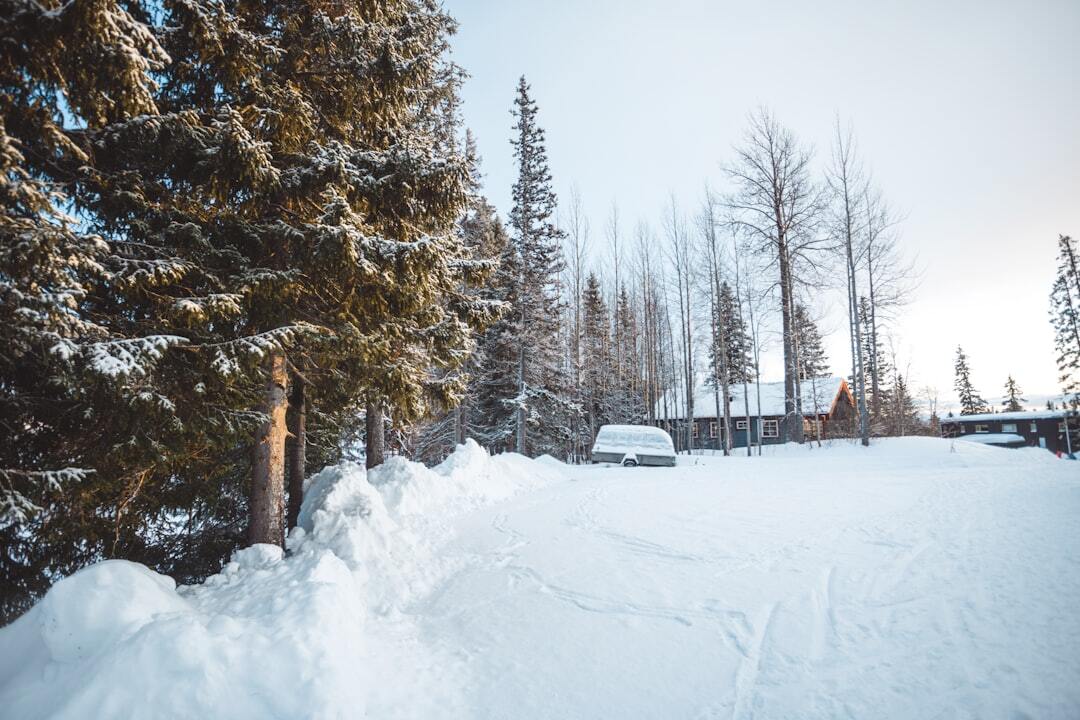
A lot of people in the White Mountains keep two addresses. When the temperature drops, they head down to the Valley, to Tucson, or out of state entirely, and a vehicle stays behind. Sometimes it is the second truck. Sometimes it is a classic that only comes out in good weather. Sometimes it is the whole reason the garage was built.
A vehicle that sits through a White Mountains winter faces a different set of problems than one that gets driven. Most of them are avoidable with an afternoon of preparation, and most of the damage we see in the spring comes from vehicles that were simply parked and walked away from.
Sitting Is Harder on a Vehicle Than Driving
This surprises people. A vehicle in regular use gets warmed up, dried out, and rinsed off. Moisture that collects gets evaporated by engine heat and airflow. A vehicle that sits does none of that. Moisture settles in and stays, temperature swings work on it constantly, and small problems get months of uninterrupted time to develop.
From a body and finish standpoint, the issues are consistent:
- Trapped moisture in seams, door jambs, and the trunk or bed, which sits against metal for months
- Corrosion at any existing chip, accelerated by repeated freeze and thaw
- Pine needles, sap, and organic debris collecting in cowl drains, sunroof drains, and window channels
- Rodent damage, which is common up here and does not stop at wiring
- Snow load on a soft cover or an unprotected roof
Before You Leave: The Body and Finish Checklist
Wash It, Including Underneath
Do not park a dirty vehicle for the winter. Road grime, cinders, and chemical residue left on the paint and underbody have four or five months to work on the metal. Wash the vehicle thoroughly, rinse the undercarriage, and let it dry completely before it goes into storage.
Seal Any Exposed Metal First
This is the one that costs people money. A chip or scrape that exposes bare metal will corrode over a winter of sitting, and it will corrode faster than it would on a driven vehicle because nothing is drying it out. Address chips, scrapes, and any existing surface rust before the vehicle goes into storage, not after.
Wax or Seal the Paint
A coat of wax or sealant gives the finish a barrier against moisture and, if the vehicle is stored outside, against the UV that is surprisingly strong at this elevation even in winter.
Clear the Drains
Cowl drains at the base of the windshield, sunroof drains, and door drains all clog with pine needles up here. A clogged drain sends water somewhere it was never meant to go, which is how you come back in April to a soaked carpet, a musty interior, and corrosion starting from the inside out. Clear them before you leave.
Deal With the Interior
Remove anything organic. Food, wrappers, and paper attract rodents, and rodents in a stored vehicle cause damage that goes well beyond a chewed wire. Crack the windows slightly only if the vehicle is in a secure enclosed space, since airflow reduces condensation and musty odor.
Indoors Versus Outdoors
A garage is far better than a driveway, but the details still matter. In an unheated garage, a vehicle brought in warm and wet will condense moisture on every cold surface. Let it dry before closing it up.
If the vehicle has to sit outside, a cover helps only if it is the right kind. A cheap plastic or non-breathable cover traps moisture against the paint, and under snow load it holds that moisture in place for months. That combination causes more finish damage than no cover at all. Use a breathable cover made for outdoor storage, and secure it properly so it does not flap and abrade the paint in the wind.
If you have chips, scrapes, or spots of rust that need to be sealed before your vehicle goes into storage, it is a straightforward job now and a much larger one in the spring. Request a free estimate online and we will give you an honest assessment.
Where to Park It
If the vehicle stays outside, spend a minute on placement:
- Not under pines. Sap is difficult to remove without damaging the clear coat, and falling needles clog drains and hold moisture on horizontal surfaces.
- Not under a roofline where snow slides off or ice builds and falls. A sheet of ice off a roof will dent a hood or crack a windshield.
- Not in the low spot of the property, where snowmelt pools around the tires and undercarriage.
- On a hard surface rather than dirt or gravel, which wicks moisture up into the underbody.
When You Come Back
Before you put the vehicle back into regular use, walk it in good light. You are looking for anything that changed over the winter:
- New rust spots or bubbling paint, especially low on the body and around the wheel arches
- Water staining or a musty smell inside, which points to a drain or seal problem
- Evidence of rodents, including nesting material in the engine bay or cabin air filter
- Cracks or chips in the windshield that spread over the season
- Anything that does not close, seal, or line up the way it used to
Catching a corrosion problem in the spring, while it is still a surface issue, is the difference between a small repair and a panel replacement.
A Little Prevention Goes a Long Way
Vehicles that come through a White Mountains winter in storage without a mark are almost always the ones that went in clean, dry, sealed, and parked somewhere sensible. It is not complicated work, and it is far less expensive than the alternative.
As an I-CAR Gold Class certified shop, Heck's Collision Center handles paint sealing, chip and rust repair, and corrosion protection to manufacturer specification. Whether you are putting a vehicle away for the season or pulling one back out and do not like what you see, we are glad to help.
Learn more about our auto body repair services, or browse completed work examples.
Heck's Collision Center
2701 Porter Mountain Rd., Lakeside, AZ 85929
928.368.2288
Monday to Friday: 8:00 AM to 5:00 PM
Request your free estimate online. Proudly serving Show Low, Pinetop-Lakeside, Lakeside, Snowflake, Taylor, and all of Northeastern Arizona.
‹ Back
Recent Posts
-
-
-
How to Read Your Collision Repair Estimate: A Line-by-Line Guide
September 29, 2026
-

Rental Cars and Loaners During Collision Repair: How Coverage Works in AZ
September 22, 2026
-