


Blog
When Is a Car "Totaled"? Understanding Total Loss vs. Repair in Arizona
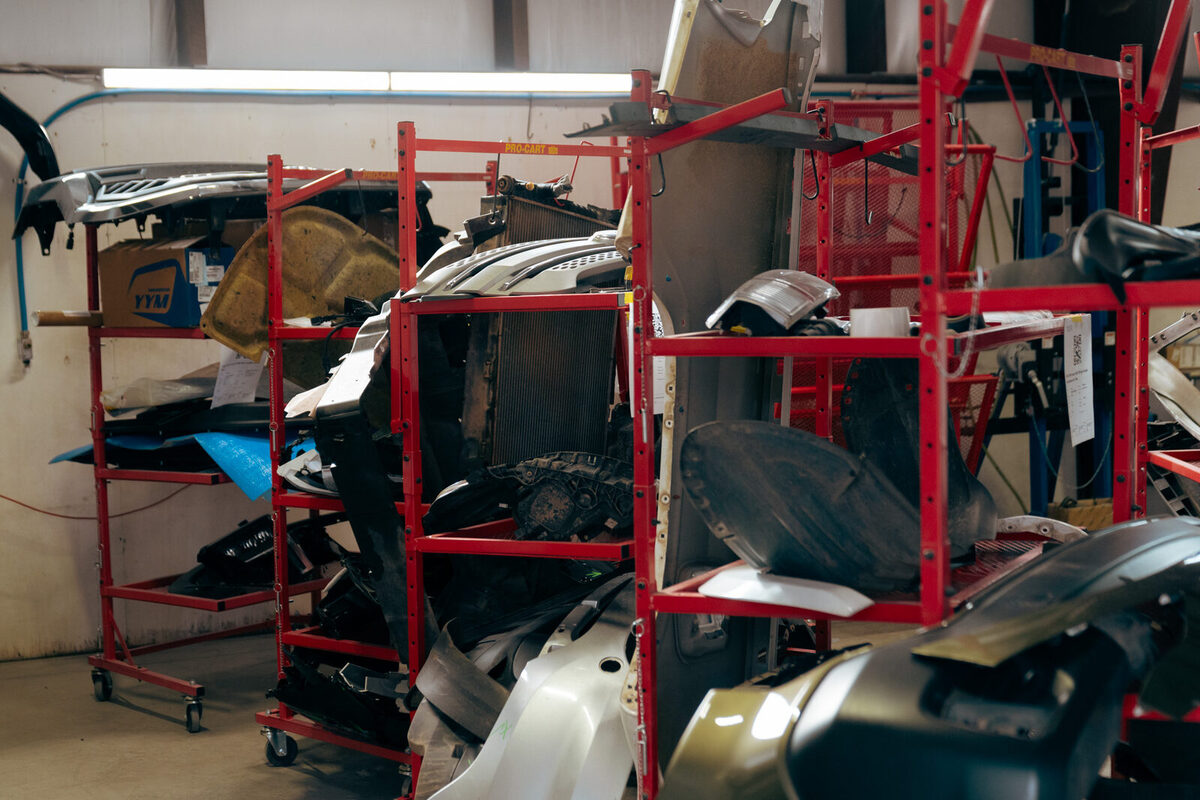
After a serious accident, one of the most stressful moments comes when the insurance company says the word "totaled." For many drivers it is confusing and frustrating. The vehicle might still be sitting there looking repairable, or the damage might be obviously severe, and either way you are suddenly facing decisions about a car you were not planning to replace. Understanding how a total loss is actually determined takes some of the mystery out of it.
Here is how the total loss versus repair decision works in Arizona, and what it means for you.
What "Totaled" Actually Means
A vehicle is declared a total loss when the cost to repair it reaches or exceeds a certain percentage of its actual cash value, the amount the vehicle was worth just before the accident. It is not about whether the car can physically be fixed. Almost any vehicle can be repaired given enough time and money. It is about whether repairing it makes financial sense from the insurer's standpoint.
So a total loss is fundamentally a math decision: repair cost compared to the vehicle's pre-accident value.
How the Threshold Works
Insurance companies use a calculation often called the total loss formula. When the repair estimate plus any salvage value reaches a set percentage of the actual cash value, the vehicle is totaled. That percentage varies, and some states set a specific legal threshold while others leave it to the insurer's formula.
Two factors drive the outcome:
- The repair cost, which includes parts, labor, paint, and any hidden damage discovered during teardown
- The actual cash value, which depends on the vehicle's age, mileage, condition, and what comparable vehicles are selling for
This is why an older or higher-mileage vehicle can be totaled by damage that would easily be repaired on a newer one. The repair cost might be similar, but the older vehicle's lower value means that cost crosses the threshold much sooner.
Why Hidden Damage Changes the Equation
Here is something many drivers do not expect: a vehicle is sometimes declared a total loss only after repairs have begun. An initial estimate based on visible damage might look repairable, but once the vehicle is disassembled, hidden structural, mechanical, or electronic damage comes to light. When those additional costs are added in, the total can push past the threshold.
This is one reason a thorough, honest assessment matters so much. A complete inspection gives you and your insurer an accurate picture, rather than a low initial number that balloons later.
What Actual Cash Value Really Is
Actual cash value is not what you paid for the vehicle, and it is not what it would cost to replace it with a new one. It is what your specific vehicle, with its age, mileage, condition, and history, was worth on the market right before the accident. If your vehicle is totaled, this is the figure the insurance settlement is based on.
It is worth knowing that you can question a valuation you believe is too low. Providing evidence of your vehicle's condition, maintenance records, recent work, and comparable local listings can support a higher valuation. You are not obligated to simply accept the first number offered.
If Your Vehicle Is Repairable
When the damage falls below the total loss threshold, repair is the path, and the goal is to restore the vehicle to its pre-accident condition, both in appearance and in safety. The important thing here is a quality repair that follows manufacturer procedures, uses appropriate parts, and addresses everything that was damaged, not just what shows.
If you have been in a serious accident and want a thorough, honest assessment of whether your vehicle should be repaired, that is exactly where a good shop helps. Request a free estimate online for a complete evaluation.
What If You Disagree With the Total Loss Decision?
You are not required to simply accept the first valuation an insurer offers. If you believe your vehicle was worth more than the settlement reflects, you can push back with evidence. Maintenance records, receipts for recent work like new tires or a recent repair, documentation of the vehicle's condition, and listings for comparable vehicles in your area all support a higher actual cash value. A well-documented case often leads to an improved offer.
It also helps to understand how the insurer arrived at its number, including which comparable vehicles it used. If those comparisons are not truly similar to your vehicle in mileage, trim, or condition, that is a reasonable point to raise.
Keeping a Totaled Vehicle
A total loss does not always mean you have to give up the vehicle. In many cases, you can choose to keep it, in which case the insurer reduces the settlement by the salvage value and you retain the vehicle. Some owners do this when the damage, while expensive relative to the vehicle's value, is something they are willing to repair or live with. Keep in mind that a vehicle kept after a total loss typically receives a branded or salvage title, which affects its future value and may require inspections before it can be registered and driven again.
Where Gap Insurance Comes In
If you still owe money on a vehicle that gets totaled, you can end up owing more than the insurance settlement, since vehicles depreciate faster than loans are paid down. This is exactly what gap insurance is for. It covers the difference between what you owe and the vehicle's actual cash value, so a total loss does not leave you making payments on a car you no longer have. If you financed or leased your vehicle, it is worth knowing whether you carry this coverage.
How the Right Shop Helps Either Way
Whether your vehicle ends up repaired or totaled, a quality collision center is on your side through the process. A thorough inspection documents the true scope of damage, which leads to either a complete, proper repair or an accurate total loss determination, rather than a lowball estimate that serves no one well. A good shop also helps you navigate the insurance conversation and understand your options.
As an I-CAR Gold Class certified shop, Heck's Collision Center provides detailed, honest assessments and works with all major insurance carriers, including offering insurance claim assistance to help you through the process.
Browse completed work examples, or read what local drivers have said about their experience.
Heck's Collision Center
2701 Porter Mountain Rd., Lakeside, AZ 85929
928.368.2288
Monday to Friday: 8:00 AM to 5:00 PM
Request your free estimate online. Proudly serving Show Low, Pinetop-Lakeside, Lakeside, Snowflake, Taylor, and all of Northeastern Arizona.
‹ Back
Recent Posts
-

-

-
-
How to Read Your Collision Repair Estimate: A Line-by-Line Guide
September 29, 2026
-

Rental Cars and Loaners During Collision Repair: How Coverage Works in AZ
September 22, 2026