
Blog
Elk Collisions in the White Mountains: Why Fall Is the Most Dangerous Season
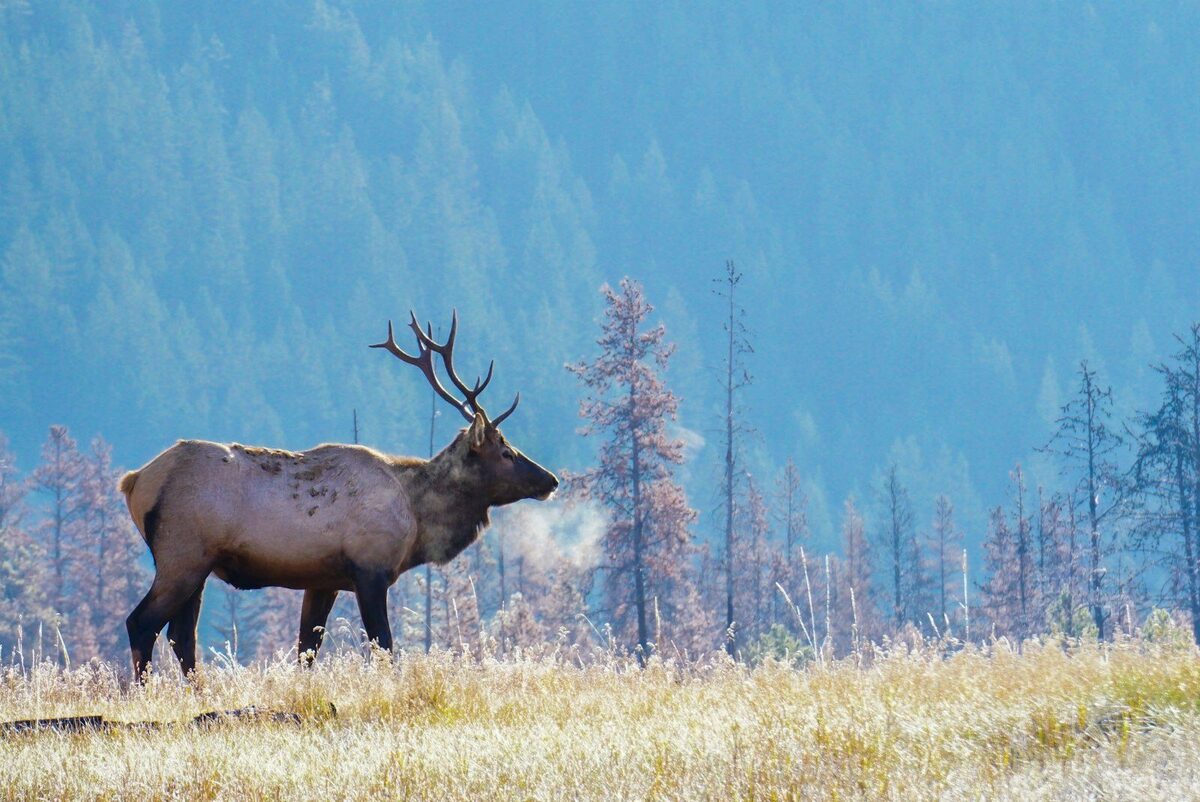
If you drive the White Mountains, you already know that wildlife on the road is a year-round reality. But there is one time of year when the danger spikes, and it is approaching now. From roughly September through November, elk enter their breeding season, known as the rut, and their behavior changes in ways that put them, and drivers, at much higher risk on the roads around Show Low, Pinetop-Lakeside, and the surrounding high country.
Understanding why fall is so dangerous, and how to reduce your risk, can keep you safer during the most active months. Here is what every driver in the region should know about elk collisions.
Why Fall Is the Most Dangerous Season for Elk Collisions
During the rut, elk are on the move far more than usual. Bulls travel widely seeking mates and chasing rivals, and herds shift across larger areas. Animals that normally keep to the timber are suddenly crossing roads, moving at dawn and dusk, and paying far more attention to each other than to traffic. An elk in rut is not watching for your headlights.
The timing compounds the problem. As fall progresses, daylight hours shrink, which means more of our driving happens in the low-light conditions of dawn and dusk when elk are most active. Combine heightened animal movement with reduced visibility, and you have the most dangerous wildlife driving window of the year.
Why an Elk Collision Is So Serious
Hitting any animal is dangerous, but elk are in a category of their own. A mature bull elk can weigh 700 pounds or more, and their height means that in a collision, the mass often comes through the windshield and into the passenger compartment rather than being pushed down and under the vehicle the way a smaller animal might be.
That is what makes elk strikes so destructive. They frequently cause major front-end damage, windshield and roof damage, airbag deployment, and serious injury risk. This is not a fender bender. An elk collision is a serious crash, and the vehicle damage that results almost always requires significant repair.
How to Reduce Your Risk
You cannot eliminate the risk of an elk collision in this region, but you can lower it considerably:
- Slow down at dawn and dusk. These are peak movement times, and lower speed gives you more time to react and reduces the severity if a collision does happen.
- Watch for the herd. Elk travel in groups. If one crosses the road, assume more are coming and slow down.
- Use your high beams when you can. On dark roads with no oncoming traffic, high beams help you spot eyeshine sooner.
- Heed the warning signs. Wildlife crossing signs mark areas with known activity. Take them seriously, especially in fall.
- Scan the roadsides, not just the road. Spotting an animal at the edge of your headlights gives you precious extra seconds.
- Do not swerve violently. Losing control or hitting an oncoming vehicle or a tree is often worse than a controlled, braking impact. Brake firmly and stay in your lane when you can.
If You Hit an Elk
If a collision happens despite your best efforts, the steps are similar to any serious accident. Get yourself and your passengers to safety and call 911 if anyone is injured. Move the vehicle off the road if it is drivable and safe to do so, and turn on your hazard lights. Do not approach an injured elk, which is large, powerful, and unpredictable when hurt. Report the collision to the authorities, and document the damage for your insurance claim.
Wildlife collisions are typically covered under comprehensive insurance, the same coverage that handles hail and theft, and these claims usually do not raise your rates the way an at-fault collision can. Heck's Collision Center provides insurance claim assistance and works directly with major carriers.
Because elk strikes cause such significant damage, a thorough inspection is essential. Request a free estimate online to have the full extent of the damage assessed.
Where and When Strikes Happen Most
Elk collisions are not evenly spread across the day or the map. The highest-risk hours are dawn and dusk, when light is low and elk are most active, with nighttime also dangerous on unlit roads. Geographically, the risk concentrates where roads cut through forest and meadow habitat, near water sources, and along the stretches marked with wildlife crossing signs. Those signs are not generic. They mark places with a documented history of animal activity, and in fall they deserve extra attention.
Local knowledge helps too. Drivers who travel the same routes around Show Low, Pinetop-Lakeside, and the rim country learn where elk regularly cross and adjust their speed and attention in those areas, especially during the fall months. If you are newer to the area, treat the dawn and dusk hours through autumn as the time to slow down and stay alert.
Reporting the Collision
Beyond your insurance, an elk strike should be reported to the proper authorities. Law enforcement can document the collision, which supports your insurance claim, and reporting also helps wildlife officials, particularly if the animal is injured and still on or near the roadway, where it poses a hazard to other drivers. Never approach a downed or injured elk yourself. These are large, powerful animals, and an injured one is frightened and unpredictable. Keep your distance, keep others back, and let the authorities handle it.
Why a Complete Inspection Matters After an Elk Strike
The forces involved in hitting an animal that large affect far more than the obvious dented panels. Frame and structural damage, cooling system damage, suspension issues, and disrupted safety systems are all common, and not all of it is visible at a glance. A vehicle that was hit hard enough to damage the front end and deploy airbags needs a complete teardown and inspection to find everything that was affected.
As an I-CAR Gold Class certified shop, Heck's Collision Center follows manufacturer-approved procedures to assess and repair the full scope of damage from a wildlife collision, restoring both the appearance and the safety of your vehicle.
Learn more about the repair process, or browse completed work examples from drivers across the White Mountains.
Heck's Collision Center
2701 Porter Mountain Rd., Lakeside, AZ 85929
928.368.2288
Monday to Friday: 8:00 AM to 5:00 PM
Request your free estimate online. Proudly serving Show Low, Pinetop-Lakeside, Lakeside, Snowflake, Taylor, and all of Northeastern Arizona.
‹ Back
Recent Posts
-
-
-
-
How to Read Your Collision Repair Estimate: A Line-by-Line Guide
September 29, 2026
-
Rental Cars and Loaners During Collision Repair: How Coverage Works in AZ
September 22, 2026