

Blog
Scraping, Thawing, and Brushing: How White Mountains Drivers Damage Their Own Paint Every Winter
Here is an uncomfortable truth about winter vehicle damage in the White Mountains: a meaningful share of it is not caused by weather, other drivers, or wildlife. It is caused by the owner, on their own driveway, at six in the morning, trying to get to work.
Clearing snow and ice off a vehicle is something everyone up here does dozens of times a season, mostly on autopilot, mostly in the dark, mostly in a hurry. It is also one of the easiest ways to put permanent scratches in your paint and permanent damage in your glass. The good news is that avoiding it takes no extra time once you know what you are doing.
Why Winter Scratching Is So Easy to Do
Paint is not a single layer. On a modern vehicle it is primer, base coat for color, and a clear coat on top that provides the gloss and the UV and chemical protection. The clear coat is what you are actually touching, and it is thinner than most people imagine.
Now consider what is on your vehicle after a White Mountains storm. Not just snow. Snow mixed with cinders, road grit, and dust. That material is abrasive. When you drag a brush or a scraper across a frozen panel, you are not sliding it over snow. You are dragging a layer of grit across your clear coat under pressure.
The result is a pattern of fine scratches that shows up as dull, hazy, swirled areas on the hood, roof, and trunk. It does not appear overnight. It accumulates over seasons, and by the time it is obvious, correcting it requires machine polishing or refinishing.
The Most Common Mistakes
Using the Wrong Tool
Stiff household brooms, shop brushes with hard bristles, and anything with an exposed metal ferrule will mark paint. So will a scraper used flat against a painted surface. Ice scrapers are for glass.
Scraping Ice Off Paint
Never scrape a painted surface. If there is ice bonded to the hood or roof, the answer is to let it release rather than to force it. Forcing it takes clear coat with it.
Pouring Hot Water on Glass
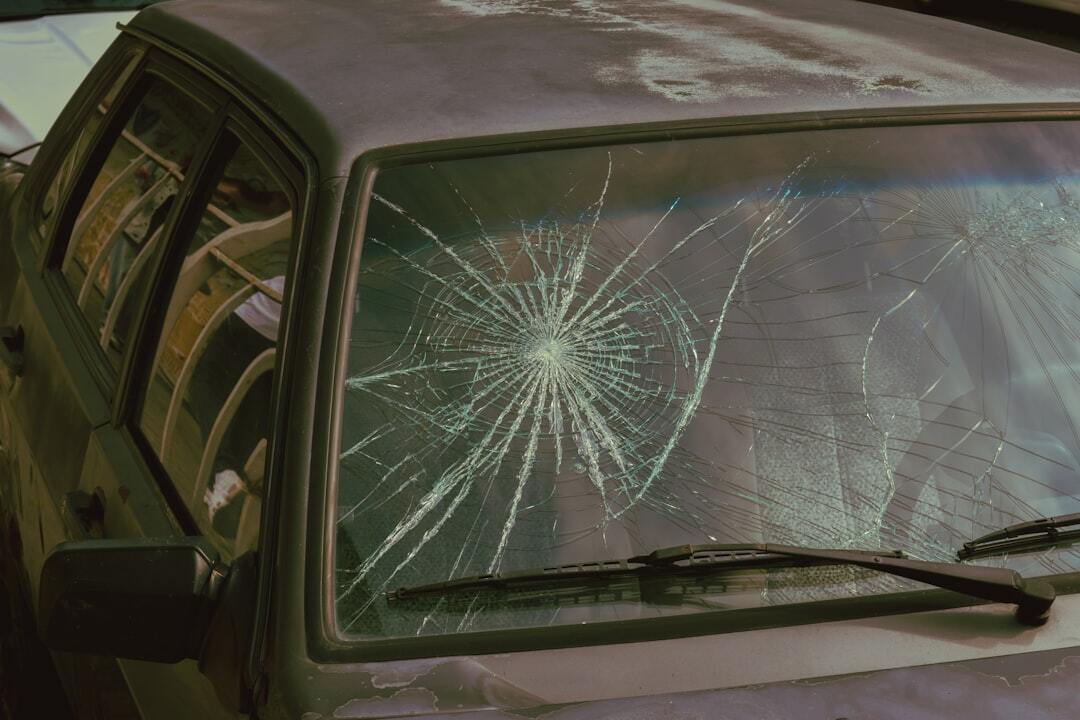
This cracks windshields. Rapidly heating frozen glass creates thermal stress that finds any weak point, and if you have an existing chip it will almost certainly propagate into a crack. On a windshield with no chip at all, it can still crack good glass.
Running the Wipers on Frozen Glass
If the blades are frozen down and you turn the wipers on, you tear the rubber, and you can strip the wiper motor linkage. Torn blades then scratch the windshield for the rest of the season. Free the blades by hand first.
Using the Wipers to Clear Snow
Wipers are designed to move water, not to plow. Clear the snow off first, then use them.
Leaving Snow on the Roof
Beyond being a hazard to the driver behind you when it slides off at speed, a sheet of snow sliding forward onto your own windshield at the first hard stop is genuinely dangerous.
How to Clear a Vehicle Without Damaging It
Start the Vehicle and Let It Warm While You Work
Set the defroster to low or medium, not maximum. The gentle warmth loosens the bond between ice and glass while you clear the snow, so by the time you get to the ice it releases instead of needing to be chipped off. Rushing this step is what causes both scratched paint and cracked glass.
Use a Snow Brush With Soft Foam or Bristles
Buy one made for vehicles. A foam-head snow brush or a soft-bristle brush with a protected head costs very little and will not mark paint if used correctly.
Push, Do Not Scrub
Move the snow off in one direction with a light touch. Do not scrub back and forth, and do not press down. You are trying to let the snow slide off, not to abrade it away. Work from the roof down, so you are not re-covering panels you already cleared.
Clear the Loose Snow Before You Touch Anything Firmly
Get the bulk off with light strokes first. The grit and cinders come off with that loose layer. Anything you do after that is happening against a cleaner surface.
Scrape Glass Only, and Only With a Real Scraper
A plastic ice scraper on glass is fine. Hold it at a low angle and use short strokes. Never use a metal blade, a putty knife, or a screwdriver, on glass or anything else.
Do Not Forget the Details
Clear the headlights and taillights, the mirrors, the backup camera lens, the sensors in and around the bumpers, and the entire windshield rather than a porthole in front of the driver. Modern safety systems cannot see through snow, and a blocked radar or camera will simply stop working, sometimes without a clear warning.
If a season of scraping has left your finish dull and scratched, or if you have chips and rust spots that need attention, request a free estimate online and we will tell you what can be polished out and what needs refinishing.
A Few Minutes of Prevention
- Wax or seal the paint before winter. A good barrier makes snow and ice release more easily and gives abrasive material something to slide across.
- Lift your wipers before an overnight storm, or lay a towel or cover across the windshield, so nothing freezes down in the first place.
- Park facing east when you can. Morning sun on the windshield does the work for you.
- Keep the right tools in the vehicle, not in the garage where they do you no good at the trailhead or the grocery store parking lot.
- Use winter-rated washer fluid so you can actually clear the glass on the road.
What Can Be Fixed Later
Light clear coat scratching from a season of brushing can often be improved substantially with machine polishing, which levels the clear coat slightly and restores gloss. There is a limit to how many times that can be done, because there is only so much clear coat to work with. Deeper scratches that have gone through to the base coat or the primer need refinishing rather than polishing.
The distinction matters, and it is worth having someone look rather than guessing. A shop that tells you a panel needs to be repainted when a polish would do is not doing you any favors, and neither is one that polishes something that genuinely needs paint.
Take the Extra Two Minutes
Nobody enjoys clearing a vehicle at dawn in twenty-degree weather. But the difference between doing it well and doing it badly is about two minutes and the right brush, and it is the difference between a finish that still looks good in five years and one that does not.
As an I-CAR Gold Class certified shop, Heck's Collision Center handles paint correction, refinishing, and chip and rust repair to manufacturer specification, with color matching that makes the repair disappear.
Learn more about our auto body repair services, or browse completed work examples.
Heck's Collision Center
2701 Porter Mountain Rd., Lakeside, AZ 85929
928.368.2288
Monday to Friday: 8:00 AM to 5:00 PM
Request your free estimate online. Proudly serving Show Low, Pinetop-Lakeside, Lakeside, Snowflake, Taylor, and all of Northeastern Arizona.
‹ Back