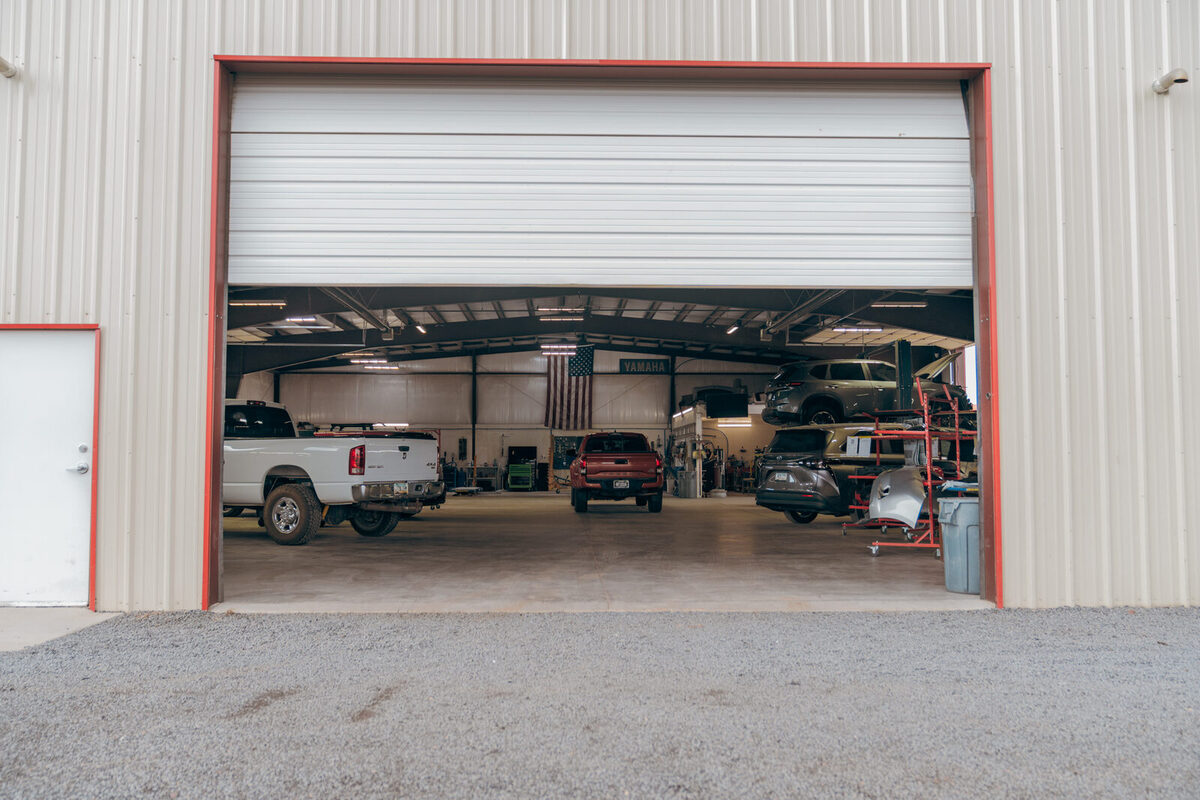


Blog
Teen Driver's First Fender Bender: A Calm, Step-by-Step Guide for AZ Parents
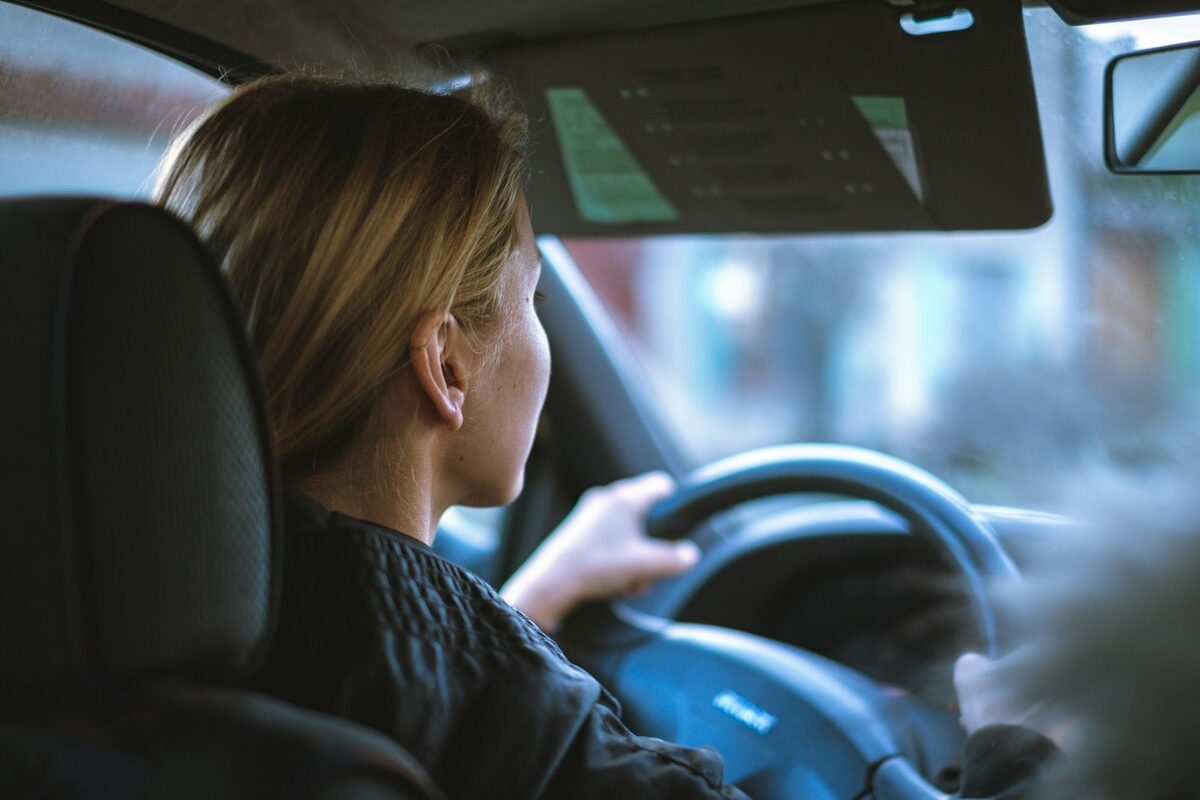
For a parent, few moments are as nerve-wracking as the day your teenager starts driving on their own. And sooner or later, many new drivers have their first fender bender. It is almost a rite of passage, and the good news is that most first accidents are minor. What matters most is that your teen knows what to do when it happens, and that you both handle the aftermath calmly and correctly.
With back-to-school season bringing more young drivers onto the roads around Show Low, Pinetop-Lakeside, and the surrounding communities, now is a good time to walk through it. Here is a calm, step-by-step guide you can share with your new driver.
First: Stay Calm and Check for Injuries
The most important thing to teach a new driver is that their first job after any collision is to stay as calm as possible and check on everyone involved. Panic leads to bad decisions. If anyone is hurt, they should call 911 immediately. Nothing about the vehicle matters compared to the people in it.
If the vehicles are in a dangerous spot and can be moved safely, they should be moved out of traffic. If not, turning on hazard lights and staying clear of the roadway is the safer choice, especially on the highways around the White Mountains where traffic moves fast.
Teach Them Not to Admit Fault at the Scene
This is an important one. A flustered teenager will often apologize reflexively, even when the accident was not their fault. Teach your teen to be polite and check on the other person, but to avoid statements about who was to blame. Fault is determined later, based on facts and the law, not on who apologized first at the scene.
What to Document
A smartphone is the best tool a new driver has at an accident scene. Teach them to calmly gather:
- Photos of all vehicles, showing damage from multiple angles
- Photos of license plates and the overall scene
- The other driver's name, phone number, and insurance information
- The location, time, and a few notes about what happened
- Contact information for any witnesses
It also helps to have them call you, a parent, right away. You can talk them through it and, if you are nearby, come to the scene.
When to Call the Police
In Arizona, you are generally required to report accidents that involve injury, death, or significant property damage. Even for a minor collision, a police report can be valuable documentation for the insurance claim. When in doubt, calling the non-emergency line and asking is a reasonable step.
After the Scene: The Insurance and Repair Process
Once everyone is safe and information is exchanged, the next step is notifying your insurance company. This is usually a parent's job, and it is a good chance to involve your teen so they learn how the process works.
Here is something many families do not realize: even a minor-looking fender bender can hide real damage. Modern bumpers are designed to absorb impact, and the foam and reinforcement behind the cover can be damaged even when the outside looks fine. Sensors, brackets, and mounting points are also commonly affected. That is why a proper inspection matters, even when the damage seems cosmetic.
If your teen has had their first fender bender, have the vehicle assessed so you know the full picture, not just what is visible. Request a free estimate online and get an honest evaluation.
Use It as a Teaching Moment
A first accident, handled well, is one of the most valuable lessons a young driver can get. A few things worth reinforcing afterward:
- How following distance and speed give you more time to react
- Why distractions, especially phones, are the cause of so many fender benders
- How to handle the stress of an unexpected situation calmly
- That accidents are repairable, and that being safe and honest is what matters most
Keeping the tone supportive rather than punishing helps your teen actually absorb the lesson instead of just feeling bad about it.
What Every New Driver Should Keep in the Car
A little preparation makes a stressful moment much easier for a young driver to handle. Before your teen starts driving on their own, put together a simple kit and make sure they know where it is:
- A copy of the insurance card and vehicle registration in the glovebox
- A small card with your contact information and any medical notes
- A pen and a notepad, in case the phone battery dies
- A flashlight and a basic first-aid kit
- Reflective triangles or flares for breakdowns and accidents on dark mountain roads
It also helps to walk your teen through the steps once before they need them, so the process is familiar rather than overwhelming when something actually happens. A calm, prepared driver makes better decisions than a panicked one.
Will This Raise Our Insurance Rates?
This is one of the first questions on most parents' minds, and the honest answer is that it depends. A minor, low-cost claim does not always lead to a rate increase, and some policies include accident forgiveness for a first incident. Whether to file a claim at all sometimes comes down to comparing the repair cost against your deductible. If the damage is minor and close to the deductible, paying out of pocket may make more sense than filing.
This is a good conversation to have with your insurance agent, and a good lesson for your teen in how insurance actually works. Whatever you decide, do not skip a proper inspection of the vehicle just to avoid a claim, since hidden damage left unaddressed is a safety issue.
Helping Your Teen Move Past It
A first accident can shake a new driver's confidence. How you respond matters. Treating it as a learning experience rather than a failure helps your teen get back behind the wheel without fear. Acknowledge that accidents happen to experienced drivers too, focus on what they did well, and review what they can do differently next time. The goal is a careful, confident driver, not a frightened one.
Getting the Vehicle Back to Normal
For the repair itself, you want a shop that will be straight with you about what the vehicle needs and will restore it properly, including matching paint and making sure safety systems are intact. As an I-CAR Gold Class certified shop, Heck's Collision Center follows manufacturer-approved procedures and is transparent about every step, which is exactly what you want when your family's vehicle is involved.
Learn more about the repair process, or read what local families have said about their experience.
Heck's Collision Center
2701 Porter Mountain Rd., Lakeside, AZ 85929
928.368.2288
Monday to Friday: 8:00 AM to 5:00 PM
Request your free estimate online. Proudly serving Show Low, Pinetop-Lakeside, Lakeside, Snowflake, Taylor, and all of Northeastern Arizona.
‹ Back
Recent Posts
-
-
When Is a Car "Totaled"? Understanding Total Loss vs. Repair in Arizona
September 8, 2026
-

-
-