

Blog
Thanksgiving Travel in the White Mountains: What to Check Before You Drive Down the Hill
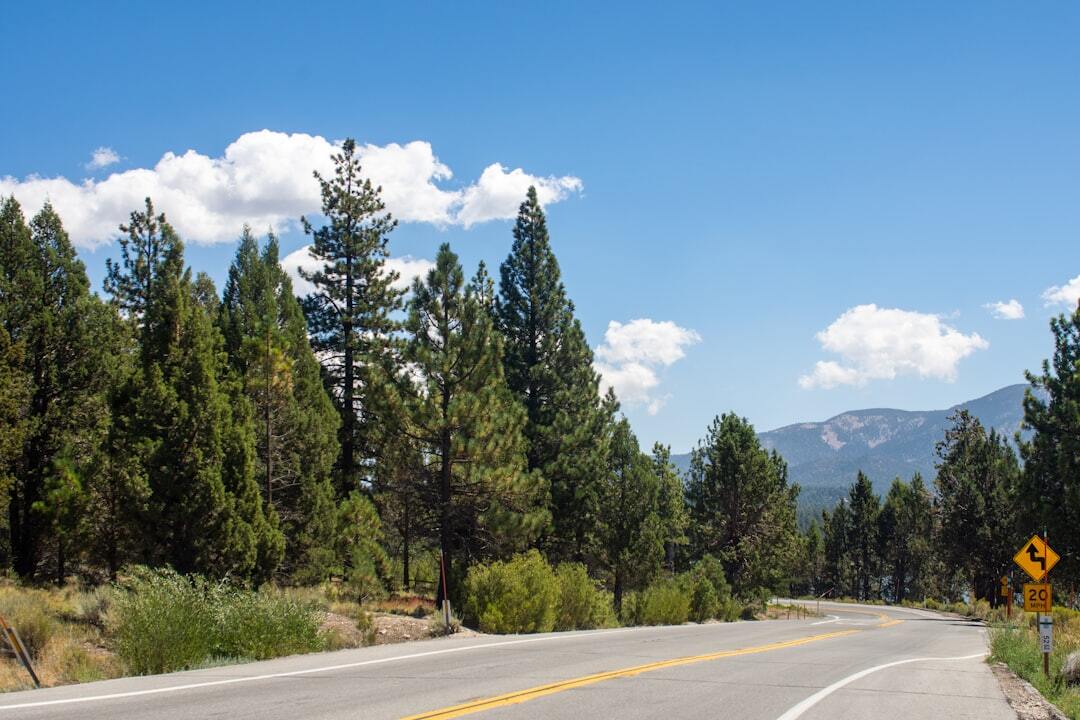
Thanksgiving week puts more vehicles on the road than almost any other stretch of the year, and up here it does something specific: it fills the highways in and out of the White Mountains with people driving in both directions. Families heading down the hill to Phoenix or Tucson. Relatives coming up from the Valley who have never driven a mountain road in cold weather. Everyone traveling on the same two or three days.
Whether you are the one driving down or the one hosting, a little preparation makes the week go better. Here is what actually matters.
The Two Worst Days
The Wednesday before Thanksgiving and the Sunday after are consistently among the heaviest travel days of the year. Traffic volume is high, a lot of drivers are tired, and many are driving unfamiliar routes.
If you have flexibility, traveling on Thanksgiving morning itself, or waiting until Monday to come back, avoids the worst of it. If you do not have flexibility, leaving earlier in the day helps more than anything else. It keeps you off the road during the late afternoon and evening crunch, and it means you are driving the mountain sections in daylight.
Driving Down the Hill
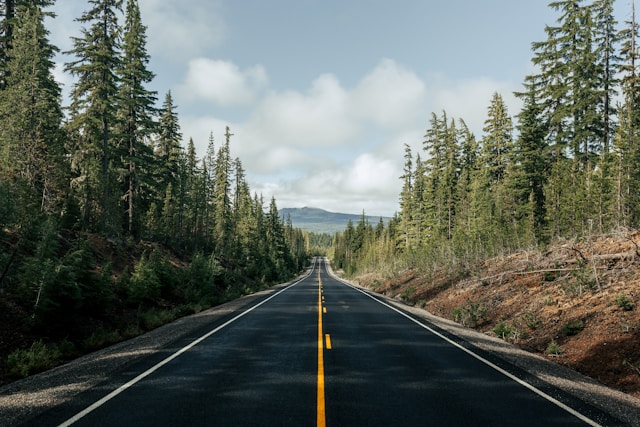
The descent from the White Mountains to the desert covers a lot of elevation, and it deserves respect even in good weather.
- Use a lower gear on long descents rather than riding the brakes. Continuous braking on a long grade heats the brakes and can fade them badly.
- Watch the temperature change. You can leave home at 28 degrees on packed snow and be at 65 degrees and dry an hour later. The transition zone, where sun and shade alternate, is where ice hides.
- Expect the shaded curves to be different from the sunny straights. This is the single most common winter surprise on the descent.
- Check the weather and road conditions before you leave, not when you are already committed to the drive.
Coming Up the Hill
If you have family driving up from the Valley, it is worth a phone call before they leave. Drivers who live in Phoenix genuinely may not have driven on snow or ice, and the difference between 70 degrees and clear at the bottom and 25 degrees and icy at the top surprises people every year.
Things worth telling them:
- Check the forecast and road conditions for the destination, not the departure point
- Slow down well before the curves rather than braking in them
- Bring warm clothes and a blanket in the vehicle, not just in the suitcase
- Top off the fuel before starting up, since services get thin
- Understand that four-wheel drive helps you go, not stop
A Real Pre-Trip Check
Before a long winter drive, walk the vehicle. This takes five minutes.
Tires
Tread depth and pressure. Cold weather drops tire pressure noticeably, and an underinflated tire handles and stops worse. Check the spare too, along with the jack and the lug wrench, since discovering a flat spare on the side of the highway at night in November is a memorably bad experience.
Lights
Walk around with the vehicle running and check headlights, brake lights, turn signals, and reverse lights. If your headlight lenses are yellowed and hazy, they are cutting your usable light substantially, which matters a great deal on dark highways with wildlife on the shoulders.
Glass and Wipers
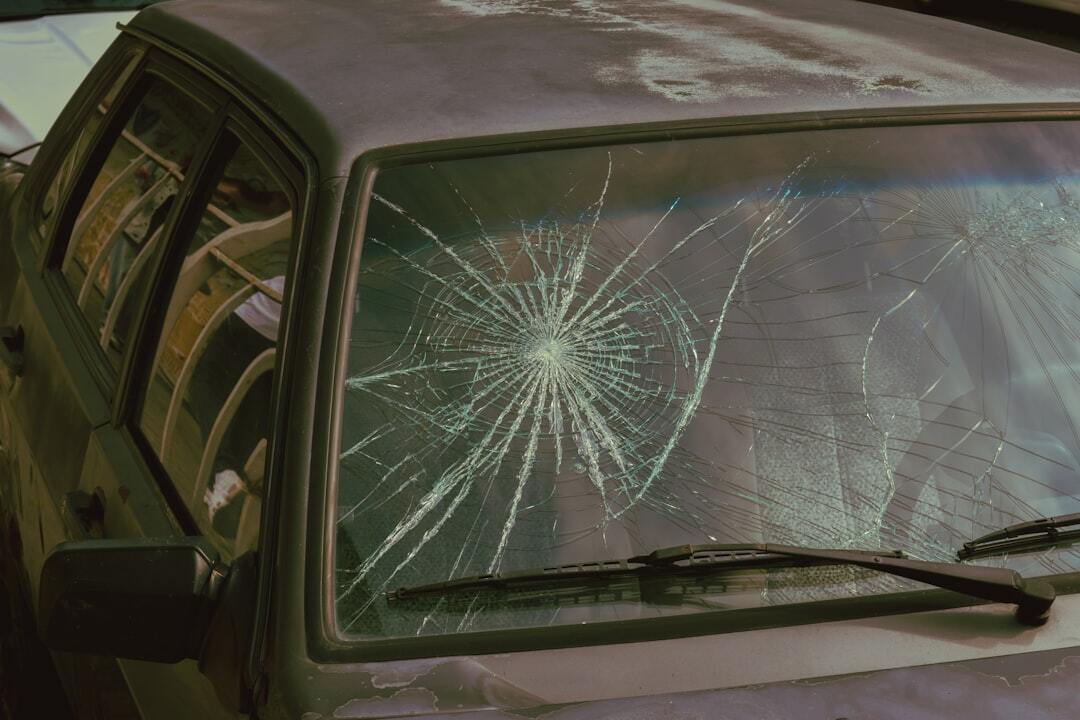
Any chip in the windshield should be repaired before a long cold-weather drive, because a temperature swing plus defroster heat is exactly how a chip becomes a crack. Replace worn wiper blades and fill the reservoir with winter-rated washer fluid.
Battery
Cold is hard on batteries, and a battery that has been marginal all fall often fails on the first genuinely cold morning.
Existing Damage
Anything unrepaired is worth a second look before a long trip. A cracked bumper cover may no longer hold a sensor in the right position. A broken headlight mount may aim the light incorrectly. A chip in the paint will corrode over the winter. And damage that seems cosmetic can hide structural issues that a long, cold, loaded drive is a poor time to discover.
If you have damage you have been putting off, getting it handled before holiday travel is worth doing. Request a free estimate online and we will tell you what genuinely needs attention before you go.
What to Carry
A basic winter kit belongs in the vehicle from now through spring:
- Blankets or a sleeping bag, plus hats and gloves for everyone
- Water and food that will not freeze into a brick
- A phone charger and a backup power bank
- A flashlight with fresh batteries
- An ice scraper and a soft snow brush
- Jumper cables or a jump pack
- A small shovel and something for traction, such as sand or cat litter
- A basic first aid kit
- Any medications someone would need if a road closure held you up
Road closures happen up here. Being stuck for three hours is inconvenient with a kit and genuinely serious without one.
Watch for Wildlife
Elk and deer activity remains elevated into late fall, and the heaviest travel hours overlap with dawn and dusk when animals move most. Scan the shoulders rather than only the lane ahead, use your high beams when there is no oncoming traffic, and remember that where there is one elk there are usually more. An elk strike is a serious collision, not a fender bender.
If Something Happens While You Are Away
If you are involved in a collision away from home, the priorities do not change: check on everyone, call for help if anyone is hurt, document the scene thoroughly with photos before vehicles are moved, and exchange information. Get a police report where you can.
You are not obligated to have the repair done wherever the vehicle is towed, and you are not obligated to use whichever shop an insurer suggests first. If the vehicle is drivable, many people prefer to bring it home and have it repaired by a shop they know and can hold accountable.
Have a Good Thanksgiving
Leave earlier than you think you need to, slow down on the grades, keep a real kit in the vehicle, and handle any existing damage before you go. Everything else is gravy.
As an I-CAR Gold Class certified shop, Heck's Collision Center works with all major insurance carriers and follows manufacturer-approved procedures on every repair. If your holiday travel does not go as planned, we are here when you get back.
Learn about our insurance claim assistance, or read what local drivers have said about their experience.
Heck's Collision Center
2701 Porter Mountain Rd., Lakeside, AZ 85929
928.368.2288
Monday to Friday: 8:00 AM to 5:00 PM
Request your free estimate online. Proudly serving Show Low, Pinetop-Lakeside, Lakeside, Snowflake, Taylor, and all of Northeastern Arizona.
‹ Back