

Blog
Why Winter Is the Busiest Season in Collision Repair (and Why Scheduling Ahead Matters)
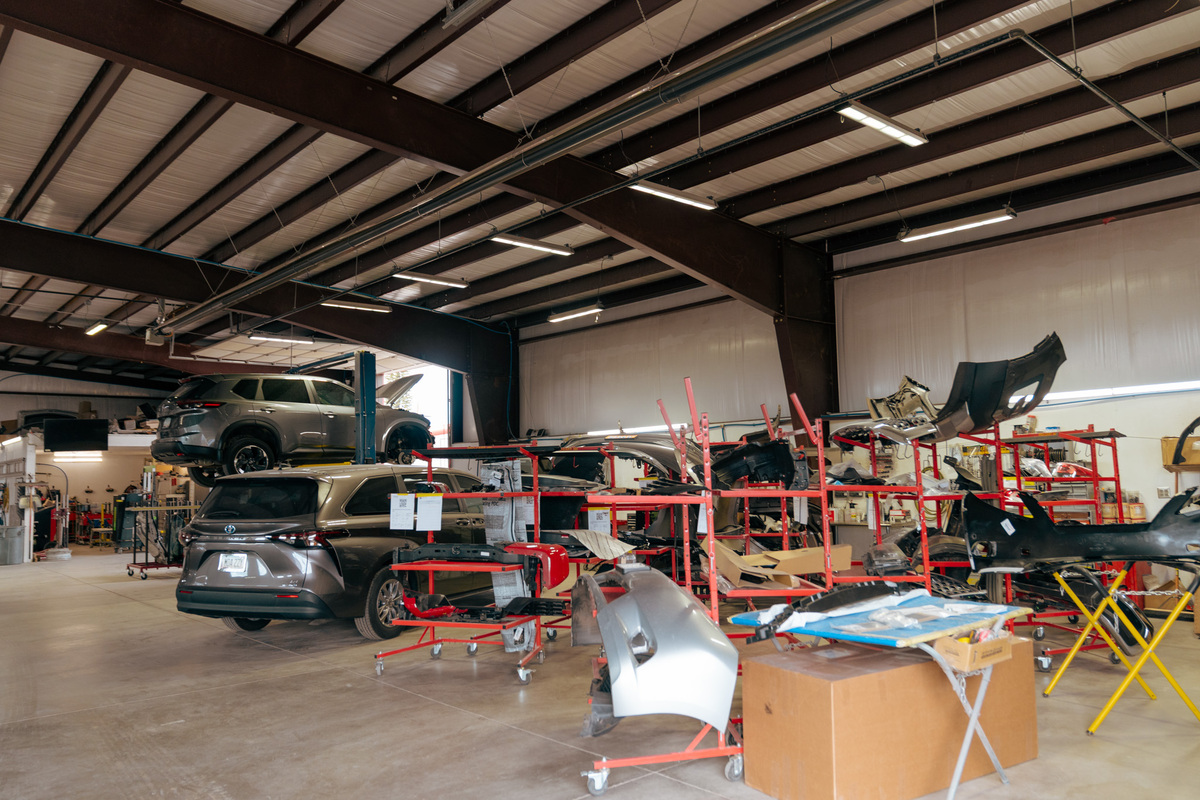
If you have ever tried to get a collision repair scheduled in January and been told it will be a few weeks, you have run into something that is true of nearly every body shop in snow country: winter is the busy season, and it is busy in a way that compounds.
Knowing why that happens is genuinely useful, because it changes how you should handle a repair decision in the fall. Some of the delay is unavoidable. A surprising amount of it is not, if you plan around it.
Why the Volume Spikes
The reasons are not mysterious.
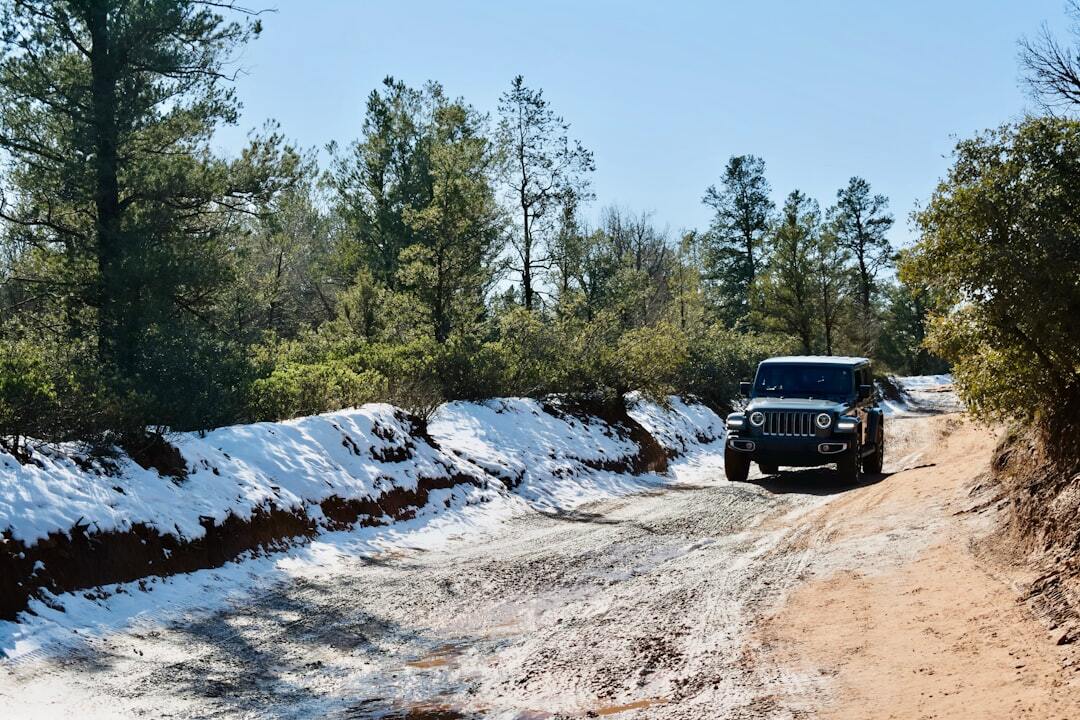
- More collisions. Ice, snow, reduced visibility, and shorter daylight hours all raise the collision rate, and they do it for everyone at once.
- Holiday traffic. Thanksgiving through New Year's brings visitors unfamiliar with mountain roads, more miles driven, and more vehicles in parking lots.
- Wildlife season overlaps. Elk and deer activity stays elevated into the early winter, and those are major repairs when they happen.
- Deferred work comes due. People who put off a repair all year decide to handle it before the end of the year, often for deductible reasons.
- Weather clusters the damage. One bad storm can produce a week's worth of collisions in a single morning, and every one of those vehicles arrives at a shop at the same time.
That last point is the one that really drives it. Body shop demand is not smooth. It arrives in waves, and a single significant storm can fill a schedule.
Why Repairs Themselves Take Longer in Winter
Beyond volume, several things genuinely slow the work down this time of year.
Parts Availability
This is usually the single biggest factor in a long repair, and it gets worse in winter. Everyone is ordering the same commonly damaged parts at the same time, which means bumper covers, headlights, grilles, fenders, and radiator support components run short. Shipping into the White Mountains also slows when weather closes roads or delays freight.
A repair can be fully planned, approved, and ready to go, and still sit waiting on one part.
Hidden Damage Shows Up More Often
Winter collisions frequently involve sliding, angled impacts rather than clean square hits. That kind of loading pushes damage into places you cannot see from the outside: suspension mounting points, subframes, and body structure. Teardown reveals it, a supplement gets written, and the insurer has to review and approve it. That is a normal and necessary part of a thorough repair, and it adds days.
Calibration Requirements
Modern vehicles carry cameras, radar, and sensors that must be recalibrated after many repairs. Some calibrations require specific conditions, including adequate space, controlled lighting, and clear floor markings, and some require a road test on clearly marked, dry roads. In winter, in the mountains, that last requirement is not always available on demand.
Paint and Refinishing Conditions
Refinishing is temperature and humidity sensitive. Modern shops control their booth environments carefully, but the process still takes the time it takes, and cure times are not something that can be compressed without compromising the result.
What This Means For You
If You Have Damage Now, Handle It Now
This is the practical takeaway. A repair you schedule in October or early November moves through a shop faster than the identical repair scheduled in January, because the queue is shorter and the parts supply is less strained. If you have been putting something off, the fall is the cheapest and fastest time to deal with it.
There is also a safety dimension. Existing damage that seems purely cosmetic can matter a great deal in winter. A cracked bumper cover that no longer holds a sensor in the right position, a headlight with a broken mount, or a chip in the paint that will corrode over the season are all better addressed before the weather rather than after.
Get the Estimate Written Early
Even if you cannot leave the vehicle right away, having an estimate written and parts ordered means the waiting happens while you are still driving the vehicle rather than while it sits in a shop. A good shop will order parts and call you when they arrive so your vehicle is only in the shop for the actual work.
Be Realistic About Timelines
Ask for an estimated timeline, and ask what could change it. The honest answer usually involves parts and the possibility of hidden damage. A shop that promises an exact date with total confidence before teardown is guessing.
If you have damage you have been meaning to address, getting it in before the season gets going saves real time. Request a free estimate online and we will get you a clear assessment and a realistic timeline.
How Rental Coverage Fits In
Because winter repairs run longer, rental coverage limits matter more. Most rental reimbursement coverage carries both a daily cap and a total maximum, and a repair extended by a parts delay can bump against that total.
Worth knowing before you need it: whether you carry rental reimbursement at all, what your daily limit is, and what your overall maximum is. If a repair genuinely requires more time for legitimate reasons, a shop that documents those reasons for the insurer supports extending the rental. What you should not do is push a shop to rush a repair to save rental days. A proper repair matters more than a few days of a rental car.
What You Should Not Compromise On
When shops are busy and everyone wants their vehicle back, there is pressure to move quickly. The things that should never be skipped for speed:
- Pre-repair scanning to identify fault codes and affected systems before work starts
- Structural measurement where there is any possibility of structural damage
- Required calibrations after the repair, performed and documented
- Corrosion protection restored anywhere panels were repaired or replaced
- Proper cure times for adhesives, sealers, and refinishing
- A post-repair quality check before the vehicle goes back to you
Every one of those exists because a vehicle is engineered to protect you in a crash, and it only does that if it is put back to specification.
Plan Ahead and It Is a Much Easier Winter
Winter body shop delays are real, but they are largely predictable, and predictable problems can be planned around. Address existing damage in the fall, get estimates written early, know your rental coverage, and be realistic about what a proper repair requires.
As an I-CAR Gold Class certified shop, Heck's Collision Center keeps you informed throughout the repair, documents the work for your records, and follows manufacturer-approved procedures rather than cutting corners to move a vehicle out the door. We also offer insurance claim assistance and work with all major carriers.
Learn more about the repair process, or read what local drivers have said about their experience.
Heck's Collision Center
2701 Porter Mountain Rd., Lakeside, AZ 85929
928.368.2288
Monday to Friday: 8:00 AM to 5:00 PM
Request your free estimate online. Proudly serving Show Low, Pinetop-Lakeside, Lakeside, Snowflake, Taylor, and all of Northeastern Arizona.
‹ Back