
Blog
Auto Paint Color Matching in Show Low, AZ: How Body Shops Get It Right
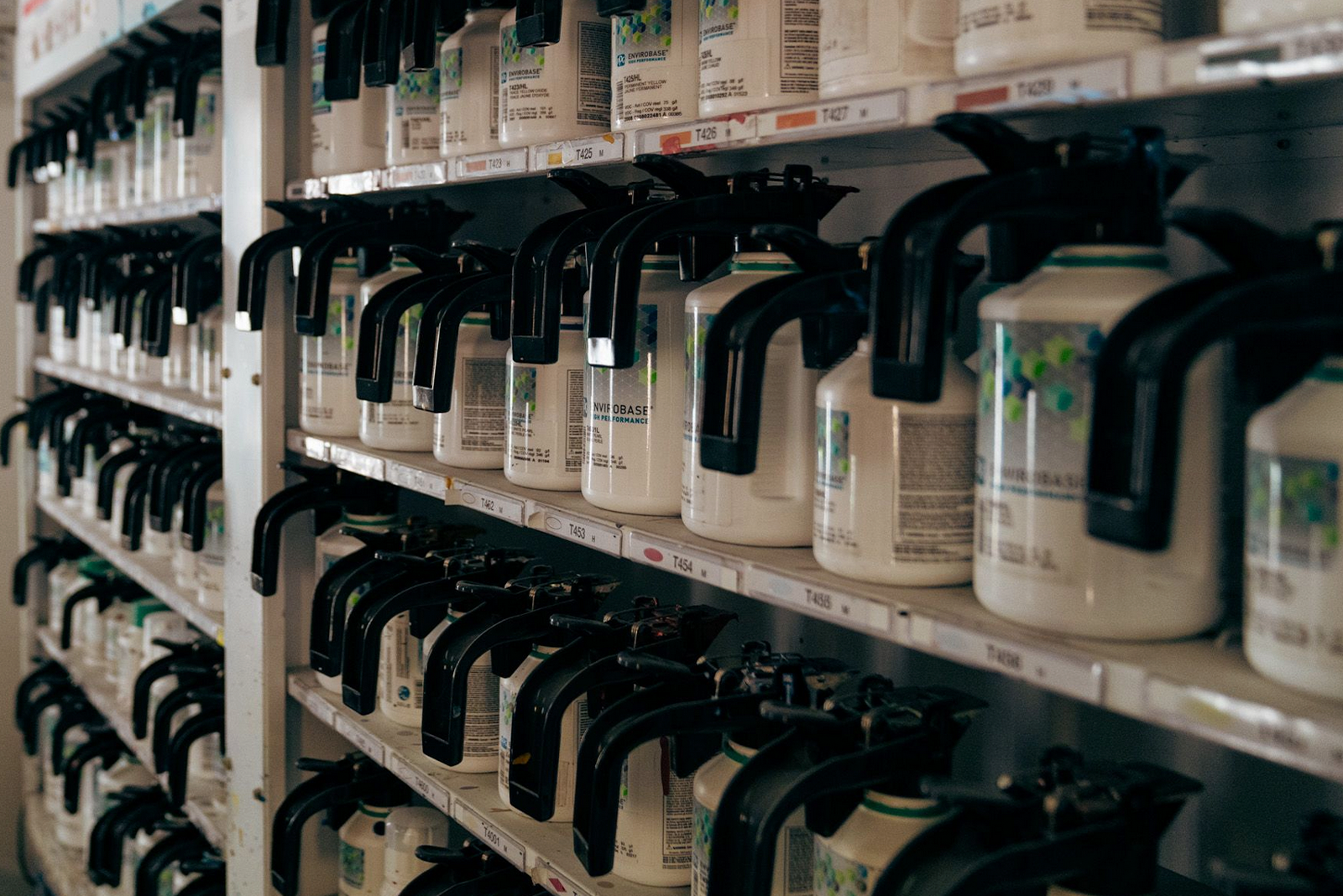
Of all the work that happens during a collision repair, paint is the part most drivers actually evaluate. You can’t see the new welds. You can’t see how the frame was pulled back into spec. You can’t see the structural reinforcement behind the bumper cover. But you can absolutely see whether the new paint matches the old, and whether it still matches a year later, after the panel has been through an Arizona summer.
Color matching is one of the most technically demanding parts of modern collision repair. It’s also one of the easiest places for a shop to cut corners without the customer noticing right away. Here’s what goes into doing it right, and what Show Low and Lakeside drivers should look for when evaluating a paint job after an accident.
Why Color Matching Is Harder Than It Looks
Every vehicle leaves the factory with a paint code, usually a three- or four-character identifier on a placard inside the door jamb or under the hood. In theory, that code tells a paint supplier exactly which formula to mix. In practice, the code is only the starting point.
By the time a vehicle comes in for collision repair, the factory paint has been through years of real-world conditions: ultraviolet exposure, temperature swings, rain, dust, road salt, and routine washing. Even two vehicles built on the same day, with the same paint code, will have aged differently depending on where they were parked, what climate they’ve lived in, and how often they’ve been detailed. The paint code is correct, but the actual color on the panel is no longer identical to what came out of the factory spray booth.
That’s why mixing the formula straight off the code and spraying it on a new fender almost always produces a noticeable mismatch. The new panel looks brighter, sharper, or slightly different in tone, especially in direct sunlight, which is unforgiving in the White Mountains.
How Modern Color Matching Actually Works
A quality collision paint job involves several steps that go well beyond looking up a code.
Spectrophotometer Scanning
Modern paint shops use a handheld instrument called a spectrophotometer to measure the actual color of the existing paint on a vehicle. The device shines light onto a clean section of an undamaged panel and measures the wavelengths reflected back. That data is then matched against the paint manufacturer’s database of color variants, which often includes dozens of subtle variations within a single factory color.
This step is what bridges the gap between the factory code and the color the car actually is right now. A shop without this technology is essentially guessing.
Test Panels and Tinting
Before any color goes on the actual repair panel, a refinish technician sprays a test card or test panel using the matched formula. They compare it to the vehicle in different lighting conditions (daylight, shop lighting, shaded areas) and adjust the tint as needed. This may involve adding small amounts of toner to shift the color warmer, cooler, lighter, or darker until it disappears against the existing paint.
Skipping this step is one of the most common reasons for a visible mismatch later.
Blending Into Adjacent Panels
Even with a perfect formula match, applying paint only to the new panel often leaves a visible edge where new meets old. Quality paint work blends the new color into adjacent panels so the transition is invisible. For example, a damaged front fender might be painted, with the color blended slightly into the door and the hood. Done correctly, this creates a seamless finish that holds up under any lighting.
Blending requires more material, more time, and more skill, but it’s the difference between a repair that’s undetectable and one that announces itself every time the sun hits it.
Clear Coat and Curing
Modern automotive finishes use multi-stage systems: a base color coat followed by one or more clear coats that provide gloss, depth, and UV protection. Each layer needs to be applied at the right thickness, with the right flash time between coats, and cured at the right temperature. Rushing this process produces a finish that looks acceptable on day one but fails prematurely, clouding, peeling, or losing gloss within a couple of years.
Why This Matters Especially in Northeastern Arizona
White Mountains drivers face a paint environment that’s harder on finishes than most people realize. Show Low sits at over 6,300 feet of elevation, which means stronger UV exposure than the lower deserts. The summer monsoon brings sudden heavy rain, hail, and dust storms. Winter brings freezing temperatures and the occasional snow event. Vehicles parked outdoors year-round in this environment age faster than the same vehicles parked in a milder climate.
That accelerated aging makes color matching harder in two ways. First, the existing paint may have shifted further from the factory code than it would have elsewhere. Second, a poorly matched repair will show its mismatch sooner, because the new and old paint will continue to age at different rates. The gap widens over time rather than disappearing.
A shop that understands the local environment will account for this when planning the paint work, including how far to blend and which areas of the vehicle will see the harshest exposure.
What Can Go Wrong With a Poor Match
The visible problems with a bad paint match include an obvious color difference between adjacent panels, a hard edge where the repair ends, mismatched metallic flake or pearl effects in the sunlight, or a finish that looks correct under shop lighting but wrong outdoors. Less visible problems are just as serious. Paint failures that develop later include peeling clear coat, fading at different rates, and corrosion creeping in at panel seams where the finish wasn’t properly sealed.
For drivers planning to keep their vehicle long-term, or eventually sell or trade it in, paint quality has real financial consequences. A repair that looks obviously aftermarket reduces resale value and signals to future buyers that the vehicle has been in an accident, even if the structural work was perfect.
Questions to Ask a Shop About Their Paint Process
Before approving a collision repair that involves paint work, it’s reasonable to ask:
- Do you use a spectrophotometer to match the existing paint, not just the factory code?
- Will you blend into adjacent panels to eliminate visible seams?
- What paint system do you use, and how long is the finish warrantied?
- Can I see examples of paint work you’ve completed on similar vehicles?
A shop that answers these questions confidently, and ideally shows you completed examples, is one that takes paint work seriously. A shop that brushes the questions aside is signaling something about how the rest of the repair will be handled, too.
See the Work in Person
Paint is one area where examples speak louder than explanations. Heck’s Collision Center offers full paint and refinishing services, including computer-matched color and panel blending for finishes that hold up over time. Browse completed repair examples to see how the work looks on real vehicles, and read what local drivers have said about the finished result.
If you have a current repair need or just want a professional opinion on a paint concern, the team is available for a free, no-pressure estimate.
Heck’s Collision Center
2701 Porter Mountain Rd., Lakeside, AZ 85929
928.368.2288
Monday to Friday: 8:00 AM to 5:00 PM
Request your free estimate online. Proudly serving Show Low, Pinetop-Lakeside, Lakeside, Snowflake, Taylor, and all of Northeastern Arizona.
‹ Back
Recent Posts
-
When Is a Car "Totaled"? Understanding Total Loss vs. Repair in Arizona
September 8, 2026
-
-
-
-