

Blog
Monsoon Flash Flooding & Your Vehicle: Water Damage Repair for White Mountains Drivers
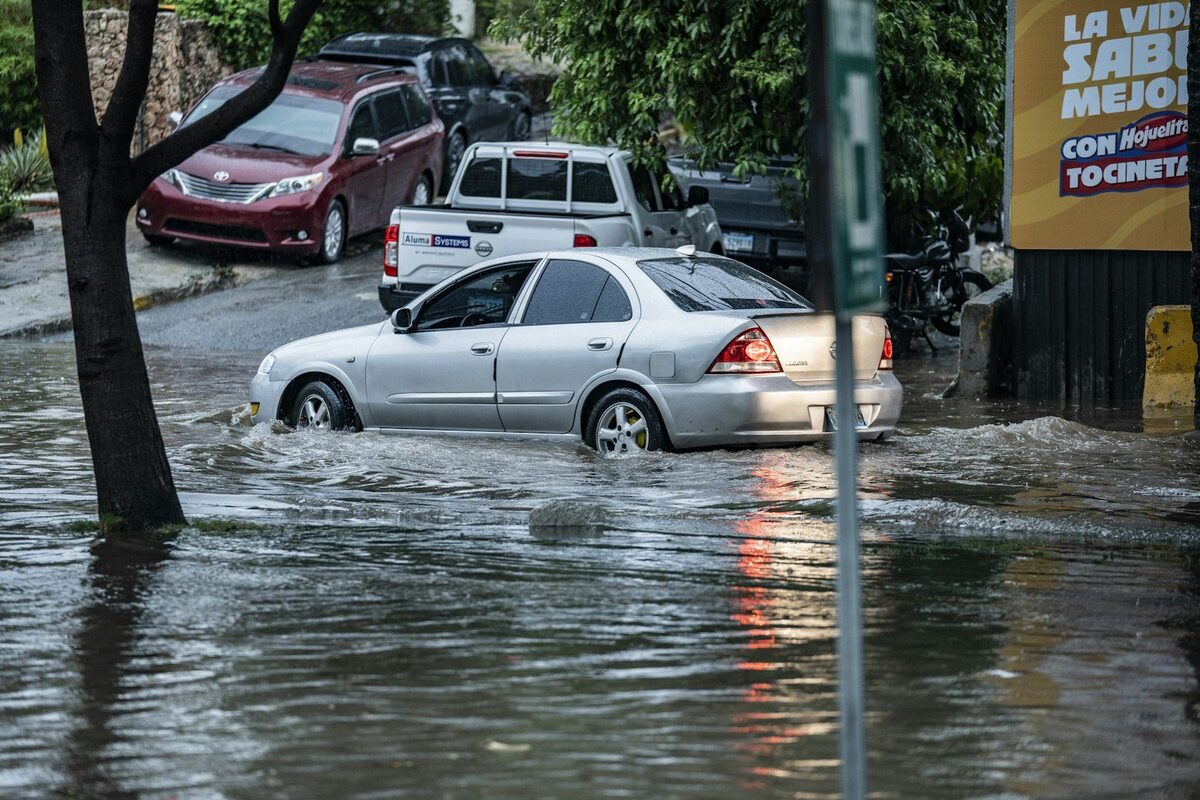
Most of the year, drivers in the White Mountains worry more about dust than water. Then monsoon season arrives. From roughly early July through September, afternoon thunderstorms can dump an inch or more of rain in under an hour, and the runoff has to go somewhere. Normally dry washes fill in minutes, low spots on the highway turn into ponds, and intersections in Show Low and Pinetop-Lakeside can flood faster than most drivers expect.
Hail tends to get the attention during monsoon season, but flooding does a different and often more serious kind of damage to a vehicle. Water gets into places it was never meant to reach, and the problems it causes are not always obvious right away. Here is what every driver in the region should understand about flood and water damage, and what to do if your vehicle gets caught in it.
Why Flooding Is a Real Risk Up Here
The White Mountains sit at elevation, and the terrain funnels water quickly. Roads that follow natural drainages, dips beneath railroad crossings, and the many forest roads around Lakeside all collect water fast during a hard storm. Because monsoon storms are localized and intense, you can be driving on dry pavement one minute and into several inches of moving water the next.
The danger is that water depth is almost impossible to judge from the driver's seat. Just twelve inches of moving water can float a small car, and two feet can carry off most vehicles, including trucks and SUVs. That is why the standard advice from emergency officials is simple: turn around, do not drive through it.
What Floodwater Actually Does to a Vehicle
Water damage is rarely a single problem. It tends to show up in several systems at once, and some of it develops over weeks.
Engine and Drivetrain
The most immediate danger is hydrolock. If water is drawn into the engine through the air intake, it can stop the engine instantly, because water does not compress the way air does. The result can be bent connecting rods or worse. This is why driving through deep water is so risky, even at low speed.
Electrical Systems
Modern vehicles run on dozens of electronic modules, sensors, and miles of wiring, much of it routed low in the vehicle. Floodwater, especially if it is muddy or carries road contaminants, corrodes connectors and control units. These failures often appear days or weeks later as warning lights, intermittent electrical gremlins, or systems that simply stop working.
Interior and Safety Components
Water that reaches the cabin soaks carpet padding, seat foam, and the insulation under the dash. Beyond the smell and mildew, this matters for safety, because airbag control modules and seat sensors are often mounted low in the vehicle. Saturated interiors also trap moisture against metal, which starts the corrosion process from the inside out.
Frame and Corrosion
Once water and silt work into seams, cavities, and the underbody, corrosion can begin in places no one sees until much later. This is the slow damage that can quietly affect a vehicle's structure and long-term value.
What to Do If Your Vehicle Is Flooded
If your car has been through high water or sitting water, a few steps protect both your safety and your repair options:
- Do not try to start the engine if water may have reached the intake. Starting it can turn a repairable situation into a destroyed engine.
- Document everything with photos, including the water line on the vehicle and the surrounding area.
- Note how deep the water was and how long the vehicle sat in it, since this guides the inspection.
- Have the vehicle assessed before you put it back into regular use, even if it seems to run fine.
The hardest part about flood damage is that a vehicle can look and even drive normally at first, while corrosion and electrical problems develop out of sight. A thorough inspection is the only way to know what was actually affected.
If your vehicle has been through monsoon flooding this season, the team at Heck's Collision Center can assess the full extent of the damage and walk you through your options. Request a free estimate online to get started.
How Insurance Handles Flood Damage
Like hail and wildlife strikes, flood and water damage is typically covered under comprehensive insurance rather than collision coverage. Comprehensive claims usually do not affect your rates the way an at-fault accident might, and they often carry a lower deductible.
The catch is that you have to actually carry comprehensive coverage. Liability-only policies will not cover water damage to your own vehicle. If you live in an area where monsoon flooding is a regular event, comprehensive coverage is worth confirming before the storms start. Heck's Collision Center provides insurance claim assistance and coordinates directly with major carriers to keep the process moving.
Why Acting Quickly Matters
With water damage, time works against you. Standing moisture accelerates corrosion and mold growth, and the longer contaminated water sits in electrical connectors, the more damage it does. A vehicle inspected and dried out within a day or two has a far better outcome than one that sits for a week while the owner decides what to do.
There is also a documentation reason to act fast. Insurance claims are cleaner when the damage is assessed close to the event, before a second storm complicates which damage came from where.
What to Watch for in the Weeks After
Even after a vehicle has been dried out and put back into use, flood damage can keep revealing itself. It helps to know the warning signs so you can catch a developing problem early rather than after it strands you. In the weeks following a flood event, pay attention to:
- A musty or mildew smell that returns, especially when the heat or air conditioning runs, which points to moisture still trapped in the carpet, padding, or ductwork
- Foggy headlights or taillights, which can indicate water that worked its way into the housings
- Electrical quirks such as flickering lights, a radio or screen that resets, power windows or locks that act up, or warning lights that come and go
- New rattles, squeaks, or rust streaks appearing on the underbody or around seams
- Brakes that feel different, since water and grit can reach brake components and accelerate wear
Any of these is worth having checked. Catching a moisture or corrosion problem in its early stages is far cheaper than dealing with a failed module or a spreading rust issue months down the road.
Repair, Done Right
Flood and water damage repair is detailed work. It involves drying and decontaminating the interior, inspecting and often replacing affected electrical components, checking the engine and drivetrain, and addressing any corrosion before it spreads. As an I-CAR Gold Class certified shop, the team at Heck's Collision Center follows manufacturer-approved procedures and documents the work as part of every repair.
Learn more about the full repair process, or browse completed work examples from drivers across the White Mountains.
Heck's Collision Center
2701 Porter Mountain Rd., Lakeside, AZ 85929
928.368.2288
Monday to Friday: 8:00 AM to 5:00 PM
Request your free estimate online. Proudly serving Show Low, Pinetop-Lakeside, Lakeside, Snowflake, Taylor, and all of Northeastern Arizona.
‹ Back