
Blog
OEM vs. Aftermarket Parts: What Show Low Drivers Should Ask Before Collision Repair
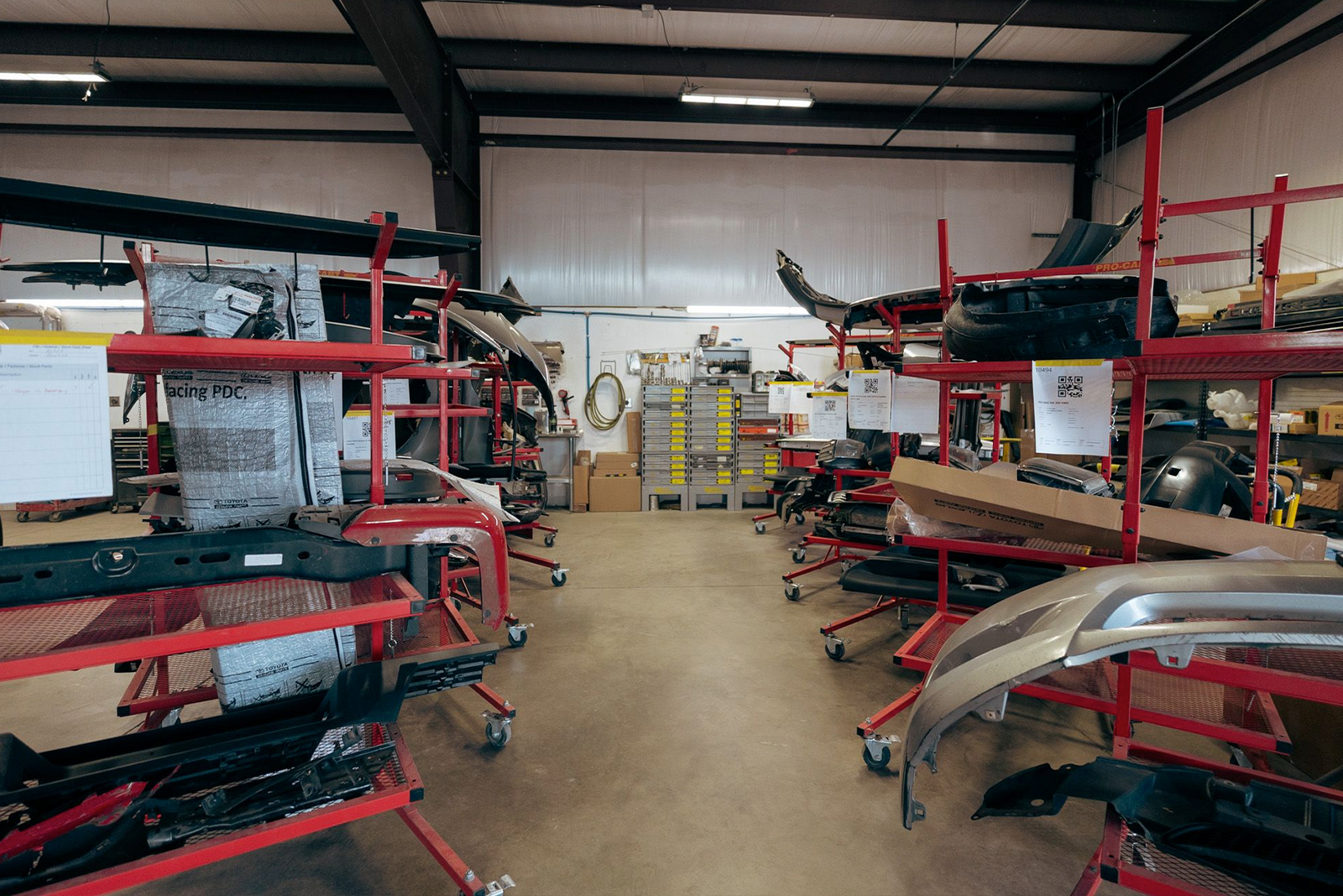
When you sit down to review a collision repair estimate, most of the document is straightforward: labor hours, paint materials, sublet work like alignments. But somewhere in that estimate is a line item, or several line items, listing the actual parts that will be installed on your vehicle. And the question of where those parts come from has more impact on your repair than most drivers realize.
OEM, aftermarket, and used parts can all end up on a collision repair estimate. They look similar on paper, but they are not interchangeable in terms of fit, durability, safety performance, or how they affect the long-term value of your vehicle. Here’s what Show Low and Lakeside drivers should understand before signing off on the parts list.
What OEM Parts Are
OEM stands for Original Equipment Manufacturer. An OEM part is one made by, or for, the company that built your vehicle, and it’s identical to the part installed at the factory. A new OEM front fender for a Ford F-150 comes from Ford’s authorized parts supply chain. It carries the manufacturer’s part number, fits the vehicle exactly, and is built to the original engineering specifications.
OEM parts are typically the most expensive option. They’re also the option most likely to fit correctly the first time, function exactly as the original did, and meet the safety standards the vehicle was designed around.
What Aftermarket Parts Are
Aftermarket parts are made by third-party manufacturers, not the original automaker. They’re designed to fit a specific vehicle, but they’re produced independently and don’t go through the manufacturer’s quality control process. Aftermarket parts vary widely in quality. Some manufacturers produce aftermarket panels and bumpers that are nearly indistinguishable from OEM. Others produce parts that fit poorly, use thinner metal, or use plastics that don’t hold paint or hold up to UV exposure as well.
The price difference can be significant. An aftermarket bumper cover may cost 30 to 50 percent less than the OEM equivalent, which is part of why insurance companies often prefer them.
What Used (LKQ) Parts Are
You may also see used parts on an estimate, sometimes labeled LKQ, which stands for Like Kind and Quality. These are OEM parts pulled from other vehicles, typically from salvage operations. A used hood pulled from a same-model, same-color vehicle that was totaled for unrelated damage can be a perfectly acceptable repair part. Used parts are common for items like doors, hoods, and trim pieces.
The quality of used parts depends entirely on the donor vehicle and the inspection process. A reputable supplier will document the part’s condition, history, and any damage before shipping.
Why Insurance Companies Often Push Aftermarket
If your insurance carrier writes the estimate, you’re likely to see aftermarket or used parts specified for at least some line items. The reason is simple: those parts cost less, which reduces the carrier’s payout. Many policies actually allow the insurer to specify non-OEM parts unless your coverage includes an OEM endorsement, which is sometimes available for an additional premium.
This isn’t necessarily a problem, but it does mean the parts decision is being made on a financial basis, not a quality basis. As the vehicle owner, you have a say in this. State law in Arizona and most other states requires the insurer to disclose when non-OEM parts are being used, and most policies allow you to upgrade to OEM by paying the difference yourself if you choose.
When OEM Matters Most
Not every part on the car carries the same stakes. A trim piece or a non-structural plastic cover is one thing. A structural component or a part tied to a safety system is another. The areas where OEM parts matter most include:
Structural Components
Frame rails, reinforcement bars, and structural panels are engineered to perform a specific way in a future collision. The grade of steel, the welding points, and the geometry are all part of how the vehicle protects its occupants. Aftermarket structural parts may use different steel grades or different geometries, which changes how the vehicle responds in a crash. For anything structural, OEM is the safer choice.
Safety System Components
Airbag sensors, seat belt mechanisms, and ADAS components such as cameras and radar units should always be OEM. These parts are not just bolt-on replacements. They’re calibrated to the vehicle’s software systems and specifications. Aftermarket alternatives may not communicate properly with the vehicle’s electronics, which can disable or degrade safety features without any obvious warning.
Body Panels on Newer Vehicles
For vehicles still under manufacturer warranty, or vehicles you plan to keep for a long time, OEM body panels typically fit better and hold paint better over the years. The fit and finish on aftermarket panels can be acceptable, but it’s rarely as precise as the original.
When Aftermarket May Be Acceptable
For older vehicles, vehicles with high mileage, or non-structural cosmetic parts on a budget repair, quality aftermarket parts can be a reasonable choice. Bumper covers, headlights, and tail lights from established aftermarket manufacturers often perform fine for the life of the vehicle. The key word is “quality.” Not all aftermarket suppliers are equal, and a reputable shop will know which manufacturers produce parts they’re willing to install and warranty, and which they avoid.
How to Make Sure Your Preferences Are Honored
Before approving any collision repair, ask the shop directly:
- Are any aftermarket or used parts being specified on this estimate?
- Can you walk me through which parts those are and why?
- What would it cost to use OEM parts instead, and is that something I can pay the difference on?
- Do the aftermarket parts you’re proposing carry a warranty, and from whom?
A shop that handles this conversation transparently is one you can trust. A shop that gets defensive or vague about parts sourcing is telling you something important about how the rest of the repair will be approached.
The Heck’s Collision Approach
Heck’s Collision Center works with drivers and insurance carriers to find the right balance for each repair, with the customer’s preferences and the vehicle’s long-term performance both factored in. As an I-CAR Gold Class certified shop, the team follows manufacturer-approved repair procedures and is transparent about parts decisions on every estimate.
If you’re reviewing an estimate from another shop and want a second opinion on the parts being specified, that’s a service the team is happy to provide.
Learn more about the full collision repair process, or see completed work examples from drivers across Northeastern Arizona.
Heck’s Collision Center
2701 Porter Mountain Rd., Lakeside, AZ 85929
928.368.2288
Monday to Friday: 8:00 AM to 5:00 PM
Request your free estimate online. Proudly serving Show Low, Pinetop-Lakeside, Lakeside, Snowflake, Taylor, and all of Northeastern Arizona.
‹ Back
Recent Posts
-
When Is a Car "Totaled"? Understanding Total Loss vs. Repair in Arizona
September 8, 2026
-

-
-
-