
Blog
Your Car Isn't Drivable After a Crash: Towing and What to Do Next in Show Low
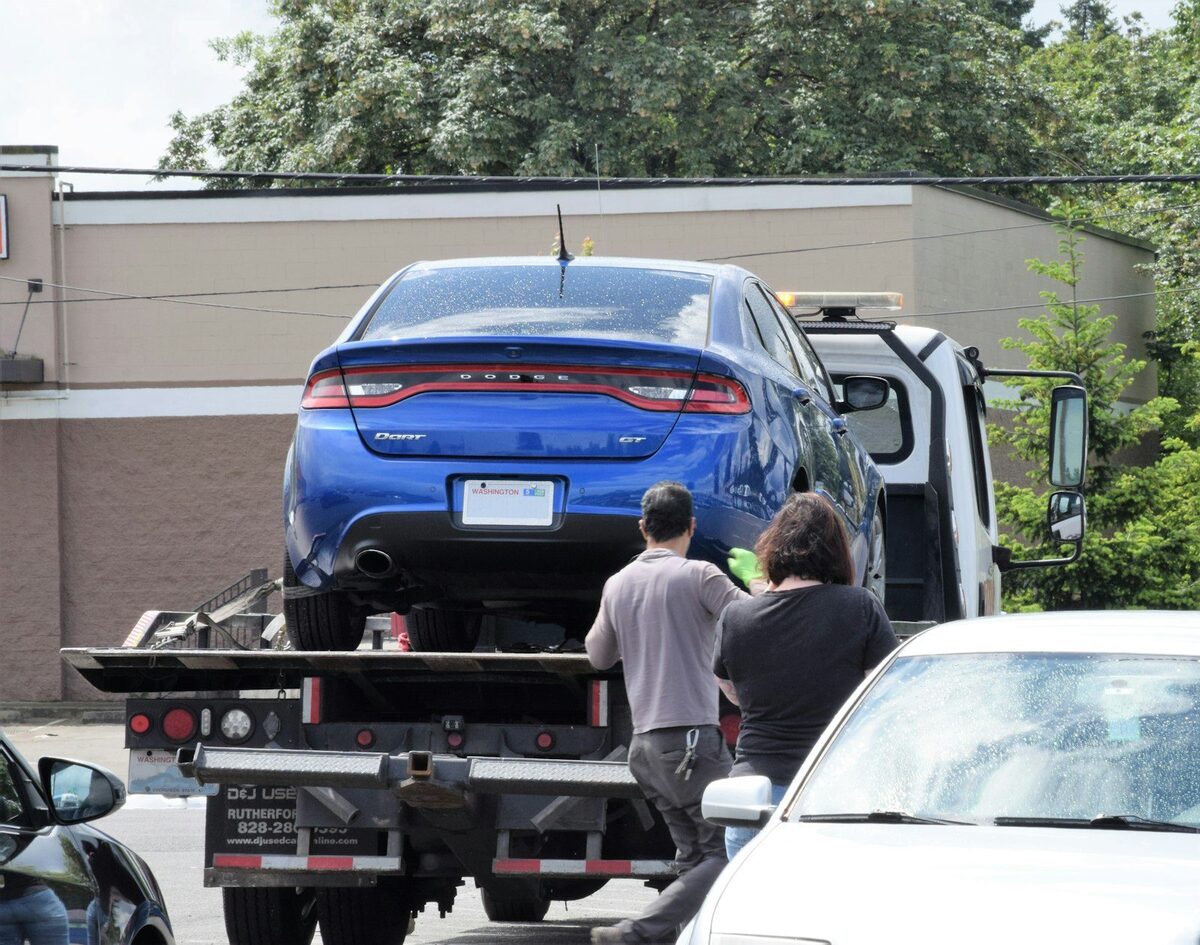
One moment you are driving normally, and the next you are pulled over on the shoulder after a collision, looking at a vehicle that clearly is not going anywhere under its own power. It is a stressful spot to be in, made worse if you are not sure what to do next. Knowing the right steps ahead of time makes a bad situation much more manageable, especially on the highways and remote roads around the White Mountains.
Here is a clear, calm guide to what to do when your vehicle is not drivable after a crash, from the scene all the way to the repair shop.
First, Make Sure Everyone Is Safe
Before anything else, check on yourself and your passengers. If anyone is injured, call 911. If the vehicle is in a dangerous position and it is safe to move, get yourself and your passengers away from traffic. On a mountain highway with limited shoulders and fast-moving trucks, standing in the wrong place is a real hazard.
Turn on your hazard lights. If you have flares or reflective triangles and it is safe to set them out, do so, especially around blind curves where other drivers cannot see you until the last second.
How to Tell If Your Vehicle Is Safe to Drive
Sometimes a vehicle is obviously undrivable. Other times it looks fine but is not. Do not drive the vehicle if you notice any of the following:
- Fluid leaking onto the ground, which could be coolant, oil, or brake fluid
- Tires that are damaged, flat, or rubbing against bent bodywork
- Steering that pulls hard or feels loose, which can indicate suspension or steering damage
- Lights, especially headlights and brake lights, that no longer work
- Parts dragging, hanging, or anything obstructing your view
- Any warning lights related to brakes, airbags, or stability systems
When in doubt, do not risk it. Driving a compromised vehicle can turn repairable damage into a destroyed component, or cause a second accident.
Document the Scene
While you wait, use your phone to capture what happened:
- Photos of all vehicles involved, including damage and license plates
- Wide shots showing the road, the position of the vehicles, and any skid marks
- The other driver's name, contact, insurance, and plate information
- The names and contact information of any witnesses
If law enforcement responds, get the report information. This documentation makes your insurance claim much smoother later.
Arranging a Tow
If the vehicle is not safe to drive, it needs to be towed. A few things to know:
Your insurance may cover towing, particularly if you carry roadside assistance or comprehensive coverage. Many auto clubs and even some phone plans include towing benefits as well. Before the tow truck hauls your vehicle off, decide where it should go. You are not required to send it to wherever the tow operator suggests or to a shop your insurance company names. You have the right to choose your own repair facility.
If you already know which shop you trust, you can have the vehicle towed directly there, which saves a second tow and gets the repair process started sooner. Heck's Collision Center can receive towed vehicles and begin the assessment and insurance claim process right away.
Notify Your Insurance
Report the accident to your insurance company as soon as you reasonably can. Provide the documentation you gathered, and be straightforward about what happened. If another driver was at fault, their insurance may be responsible for the repair, but your own carrier can still help guide the process.
Keep in mind that the first estimate is not always the final word. Hidden damage to the frame, suspension, or electronics is common in collisions serious enough to disable a vehicle, and a thorough shop inspection often finds damage the initial glance missed.
Getting Your Vehicle to the Right Place
Once your vehicle reaches a shop, a proper assessment can begin. For a vehicle that was not drivable, that assessment is especially important, because the forces involved were significant enough to affect more than just the visible bodywork. A complete teardown and inspection reveals the full scope of what needs repair.
If your vehicle has been in a collision and is not safe to drive, you do not have to sort it all out alone. Request a free estimate online or call the shop, and the team can help coordinate the next steps.
What a Tow Costs and Who Pays
Towing costs vary based on distance and the type of vehicle, and in the White Mountains a tow can cover a fair amount of ground if you are out near the lakes or on a forest road. The good news is that you often are not the one ultimately paying for it. If you carry roadside assistance or comprehensive coverage, towing may be included up to a certain limit. If another driver was at fault, their insurance is typically responsible for the towing as part of the damage they caused. And many auto clubs include towing benefits as a membership perk.
It is worth knowing your coverage before you need it, because at the scene of an accident is not the moment you want to be guessing. Keep your insurance card and any roadside assistance information in your glovebox or saved on your phone.
What Happens Once Your Vehicle Reaches the Shop
Getting the vehicle to a shop is the start of the process, not the end. A vehicle that was disabled in a collision needs a complete assessment, because the impact was significant enough to affect more than the visible bodywork. The shop will typically perform a thorough inspection, often including a teardown of the damaged areas, to find hidden damage to the frame, suspension, cooling system, and electronics.
This is also when the shop documents everything for the insurance claim and, if needed, submits a supplement for damage that was not visible in the initial estimate. Having the vehicle towed directly to a shop you trust, rather than to a holding lot, gets this process moving sooner and avoids a second tow later. It also means the people assessing your vehicle are the ones who will actually repair it.
A Calmer Path Through a Hard Day
An accident that leaves your vehicle undrivable is never a good day, but knowing the steps takes a lot of the panic out of it. Stay safe, document everything, get a tow to a shop you trust, and let the professionals handle the rest. As an I-CAR Gold Class certified shop, Heck's Collision Center follows manufacturer-approved procedures on every repair and works with all major insurance carriers.
Learn more about the full repair process, or browse completed work examples from drivers across Northeastern Arizona.
Heck's Collision Center
2701 Porter Mountain Rd., Lakeside, AZ 85929
928.368.2288
Monday to Friday: 8:00 AM to 5:00 PM
Request your free estimate online. Proudly serving Show Low, Pinetop-Lakeside, Lakeside, Snowflake, Taylor, and all of Northeastern Arizona.
‹ Back
Recent Posts
-
When Is a Car "Totaled"? Understanding Total Loss vs. Repair in Arizona
September 8, 2026
-

-
-
-