

Blog
Heading Up the Mountain This Summer? A Pre-Trip Vehicle Check for AZ Road Trips
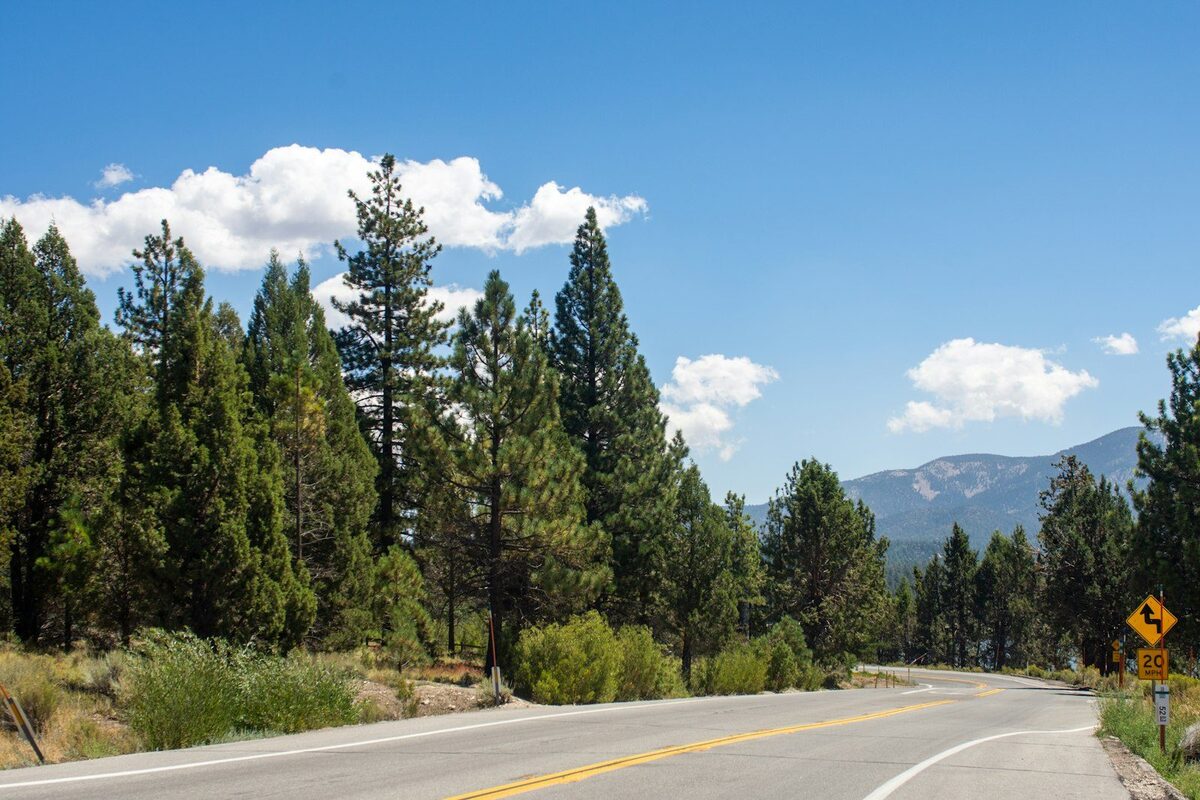
Summer is when the White Mountains come alive. Families head up from the Valley to escape the heat, locals load up for camping and fishing trips, and the roads around Show Low, Pinetop-Lakeside, and the rim country fill with travelers. Whether you are driving up from Phoenix or just heading out to the lake for the weekend, a little preparation before you go makes the trip safer and a lot less stressful.
Most pre-trip advice focuses on the mechanical basics, and those matter. But there are a few things that drivers tend to overlook, especially the condition of the vehicle's body, glass, and safety systems after a long winter. Here is a practical pre-trip checklist built for the kind of driving you actually do in this region.
Why Mountain Driving Asks More of Your Vehicle
Driving in the White Mountains is not the same as cruising flat highway. The elevation, the grades, and the conditions all put extra demand on a vehicle. Long climbs and descents work the brakes and cooling system harder. Higher elevation changes how the engine runs. Remote forest roads mean a breakdown is a bigger deal because help is farther away. And monsoon storms can turn a clear afternoon into low visibility and standing water in minutes.
All of that is manageable, but it rewards a vehicle that is in good shape before you leave the driveway.
The Mechanical Basics
Start with the items that keep you moving safely:
- Tires: Check tread depth and pressure, including the spare. Tire pressure changes with elevation and temperature, and worn tires are far more dangerous on wet mountain roads.
- Brakes: If you hear noise, feel pulsing, or notice longer stopping distances, have them checked before you tackle steep grades.
- Cooling system: Long climbs in summer heat are exactly when a marginal cooling system fails. Check coolant level and look for leaks.
- Fluids: Oil, brake fluid, and washer fluid should all be topped off.
- Wipers and lights: Monsoon rain and early sunsets in the canyons make both essential. Replace streaky wiper blades and confirm all lights work.
The Part Most Drivers Skip: Body, Glass, and Safety
This is where a collision center's perspective is useful. After a White Mountains winter, a lot of vehicles carry small issues that are easy to ignore until a road trip makes them worse.
Glass and Chips
A small rock chip in the windshield can spread into a full crack on a long drive, especially with the temperature swings and vibration of mountain roads. A chip that could have been filled becomes a windshield replacement, which on many newer vehicles also requires camera recalibration. If you have a chip, address it before the trip.
Existing Damage
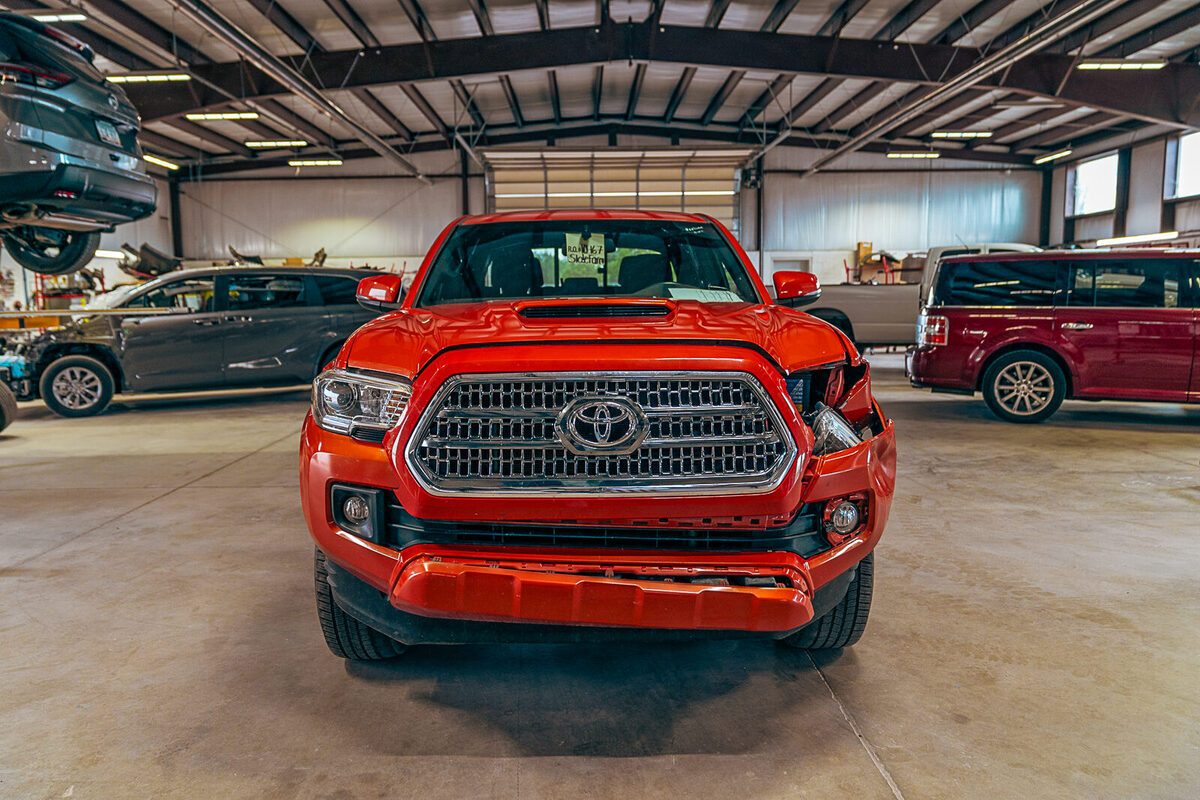
That dent or cracked bumper cover you have been meaning to deal with does more than look bad. Compromised paint and seams let moisture reach bare metal, and a loose or cracked panel can fail completely at highway speed. A road trip is a good reason to finally take care of deferred body work.
Alignment and Suspension
If your vehicle pulls to one side or the steering feels off after winter potholes and rough roads, that affects tire wear, handling, and braking on exactly the kind of curves you will be driving. It is worth checking.
If your vehicle has body damage, glass issues, or a problem left over from a winter incident, have it looked at before you head out. Request a free estimate online and get it handled before your trip.
Pack a Basic Emergency Kit
Because cell coverage is spotty on many forest roads, a simple kit is worth keeping in the vehicle:
- Water and a few non-perishable snacks
- A flashlight and basic first-aid supplies
- Jumper cables or a portable jump pack
- A blanket, even in summer, since high-country nights get cold
- A basic tool kit and your spare tire equipment
If You Have an Accident on the Road
Even a well-prepared driver can end up in a fender bender or a wildlife strike on a mountain road. If it happens, get to a safe spot if you can, check on everyone, document the scene with photos, and exchange information. For anything beyond very minor cosmetic damage, have the vehicle inspected before you drive it long distances home, since hidden damage to suspension, cooling, or structure is common after impacts.
If you are away from home when it happens, you still have the right to choose where your vehicle is repaired. Many drivers prefer to bring it to a shop they trust once they are back in the area.
Plan Your Route and Watch the Forecast
A little planning goes a long way in this part of the state. Cell coverage drops off quickly once you leave the main highways, so it is smart to know your route before you lose signal, and to let someone know where you are headed and when you expect to be back. If your trip takes you onto forest roads, check whether they are passable, since conditions change with weather and season.
The forecast deserves a look too. Summer afternoons in the White Mountains often bring monsoon storms that roll in quickly. Knowing that rain is likely lets you plan your driving for the morning hours when conditions are calmer, and helps you avoid being caught on a mountain grade in a downpour.
Handling the Grades and Sudden Weather
Mountain driving has a rhythm that flatland driving does not. On long descents, shift to a lower gear and let the engine help slow the vehicle rather than riding the brakes the whole way down, which can overheat them. On climbs, watch your temperature gauge, especially if you are towing or carrying a full load. If a monsoon storm catches you, slow down well before you reach standing water, turn your headlights on, and increase your following distance, since wet pavement and reduced visibility cut your margin for error. If conditions get bad enough, the safest move is to pull off at a safe spot and wait the storm out, since these cells usually pass within an hour.
Travel With Confidence
A summer road trip through the White Mountains should be about the destination, not the worry. Taking care of the basics, including the body and glass work that often gets put off, means you can enjoy the drive. As an I-CAR Gold Class certified shop, Heck's Collision Center can handle pre-trip body and glass concerns and is here if anything happens while you are on the road.
Learn more about our repair services, or browse completed work examples from drivers across Northeastern Arizona.
Heck's Collision Center
2701 Porter Mountain Rd., Lakeside, AZ 85929
928.368.2288
Monday to Friday: 8:00 AM to 5:00 PM
Request your free estimate online. Proudly serving Show Low, Pinetop-Lakeside, Lakeside, Snowflake, Taylor, and all of Northeastern Arizona.
‹ Back