

Blog
Rock Chips, Cracked Glass & Paint Damage on White Mountains Highways and Forest Roads
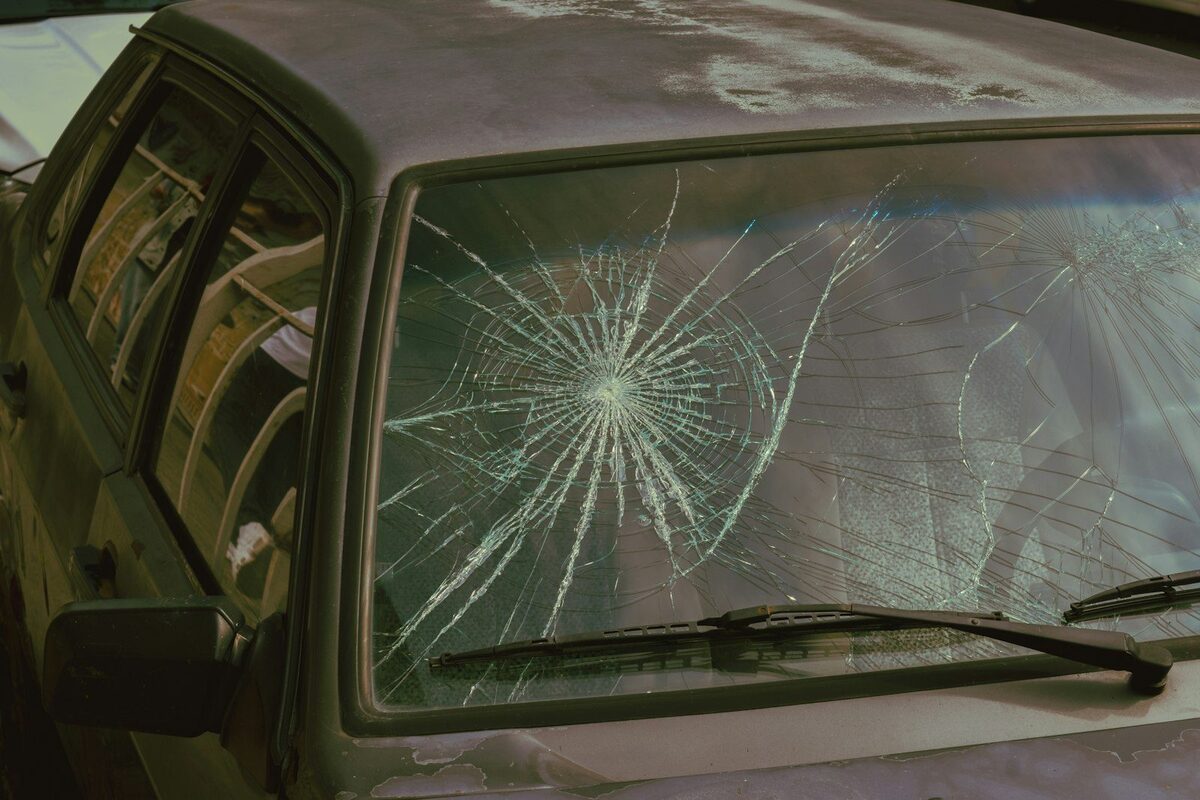
If you drive the highways and forest roads around the White Mountains, you already know the sound: a sharp tick against the windshield as a rock kicks up from the truck ahead of you. Most of the time nothing comes of it. Sometimes you end up with a chip, a crack, or a fresh scatter of paint chips across the hood. On the gravel and dirt roads that lead to so many of the lakes, trails, and cabins up here, that risk goes up considerably.
Rock and road debris damage is one of the most common reasons local vehicles end up needing glass or paint attention. It is easy to shrug off, but small damage has a way of becoming expensive damage if it is ignored. Here is what drivers in Show Low, Pinetop-Lakeside, and the surrounding communities should know.
Why This Region Is Hard on Glass and Paint
A few things make the White Mountains tougher on vehicles than flat city driving. Forest service roads and many routes to recreation areas are unpaved, and loose gravel becomes a steady source of flying debris, especially when following another vehicle. Highway construction and cinder used for winter traction leave grit on the roads well into the warmer months. And the elevation means stronger UV and bigger temperature swings, which makes glass and paint more prone to cracking and chipping once they are compromised.
Rock Chips in Glass: Small Now, Big Later
A windshield chip seems minor, but it rarely stays that way. Glass flexes constantly as you drive, and the temperature swings common up here, hot afternoons and cold nights, expand and contract that glass. A chip is a weak point, and over time it tends to spread into a crack.
Catching it early matters for two reasons. First, a small chip can often be filled and stabilized, while a long crack usually means full windshield replacement. Second, and this surprises a lot of drivers, replacing a windshield on a newer vehicle often requires recalibrating the forward-facing camera mounted to the glass. That camera feeds lane departure warning, automatic emergency braking, and other safety systems. So a chip you ignore can eventually turn into a windshield replacement plus a calibration, instead of a quick fill.
When Glass Damage Needs More Than a Fill
A few situations call for replacement rather than repair:
- Cracks longer than a few inches
- Damage directly in the driver's line of sight, where even a good repair can leave a distortion
- Chips that have already started to spread
- Damage that has reached the inner layer of the glass
A proper assessment is the only way to know which category your damage falls into, and the right answer is often time-sensitive.
Paint Chips Are More Than Cosmetic
Flying gravel does not just hit glass. It chips paint on the hood, the leading edge of the roof, mirrors, and the front bumper. Those little chips look like a cosmetic nuisance, but they break through the clear coat and paint that protect the metal underneath.
Once bare metal is exposed, two things happen up here. Strong high-elevation UV degrades the surrounding paint faster, and moisture from monsoon rain and snowmelt reaches the metal and starts corrosion. A chip that is touched up early stays a chip. A chip that is left for a year or two can become a rust spot that requires real bodywork.
If your vehicle has a collection of rock chips, cracked glass, or paint damage from mountain driving, it is worth having it assessed before small problems grow. Request a free estimate online and protect your vehicle's finish.
How to Reduce the Risk
You cannot avoid gravel entirely up here, but you can cut down on damage:
- Leave extra following distance behind trucks and on gravel roads, where most debris is thrown.
- Slow down on unpaved roads, since speed dramatically increases how hard debris hits.
- Address chips quickly, before temperature swings turn them into cracks.
- Keep your paint waxed or protected, which gives the finish a bit more resistance to minor strikes.
Matching Paint the Right Way
When chips do need attention, color matching matters. A vehicle's paint changes subtly over time with sun exposure, so simply spraying on factory color rarely blends invisibly. Proper repair involves matching to the vehicle's current color and blending into the surrounding panels. This is part of the paint and refinishing work that makes a repair disappear instead of standing out.
Does Insurance Cover Glass Damage?
Many drivers are surprised to learn that glass damage is often handled differently from other repairs. Windshield and glass damage typically falls under comprehensive coverage, the same coverage that handles hail, theft, and wildlife strikes. Because a small chip repair is far cheaper than a full windshield replacement, some policies waive the deductible for a repair, since fixing the chip early saves the insurer the larger cost later.
That makes acting quickly on a chip a win for everyone. You keep your original factory glass, the repair is fast, and in many cases it costs you little or nothing out of pocket. Waiting until the chip spreads into a crack usually means a full replacement, a deductible, and potentially a sensor calibration on top of it.
How the Repair Process Works
When you bring in a vehicle with glass or paint damage, the first step is a close assessment of how deep and widespread the damage is. For glass, that means determining whether the chip can be cleaned and filled or whether the lamination has been compromised enough to require replacement. For paint chips, it means checking whether the metal underneath is still sound or whether corrosion has already started.
From there, the right repair is matched to the damage. A fillable chip can often be handled quickly. Paint chips are cleaned, treated, and refinished with attention to matching the vehicle's current color. The goal in every case is to stop the damage from progressing and to restore the protection that keeps the next chip from becoming a bigger problem.
Take Care of It Before It Grows
The theme with rock and debris damage is simple: it is cheapest and easiest to fix when it is small. As an I-CAR Gold Class certified shop, Heck's Collision Center handles glass concerns and paint repair using manufacturer-approved procedures, including any calibration a glass replacement requires.
Learn more about our repair services, or see completed work examples from drivers across the White Mountains.
Heck's Collision Center
2701 Porter Mountain Rd., Lakeside, AZ 85929
928.368.2288
Monday to Friday: 8:00 AM to 5:00 PM
Request your free estimate online. Proudly serving Show Low, Pinetop-Lakeside, Lakeside, Snowflake, Taylor, and all of Northeastern Arizona.
‹ Back
Recent Posts
-
When Is a Car "Totaled"? Understanding Total Loss vs. Repair in Arizona
September 8, 2026
-

-
-
-