
Blog
Hit a Deer in the White Mountains? Auto Body Repair Steps for AZ Drivers
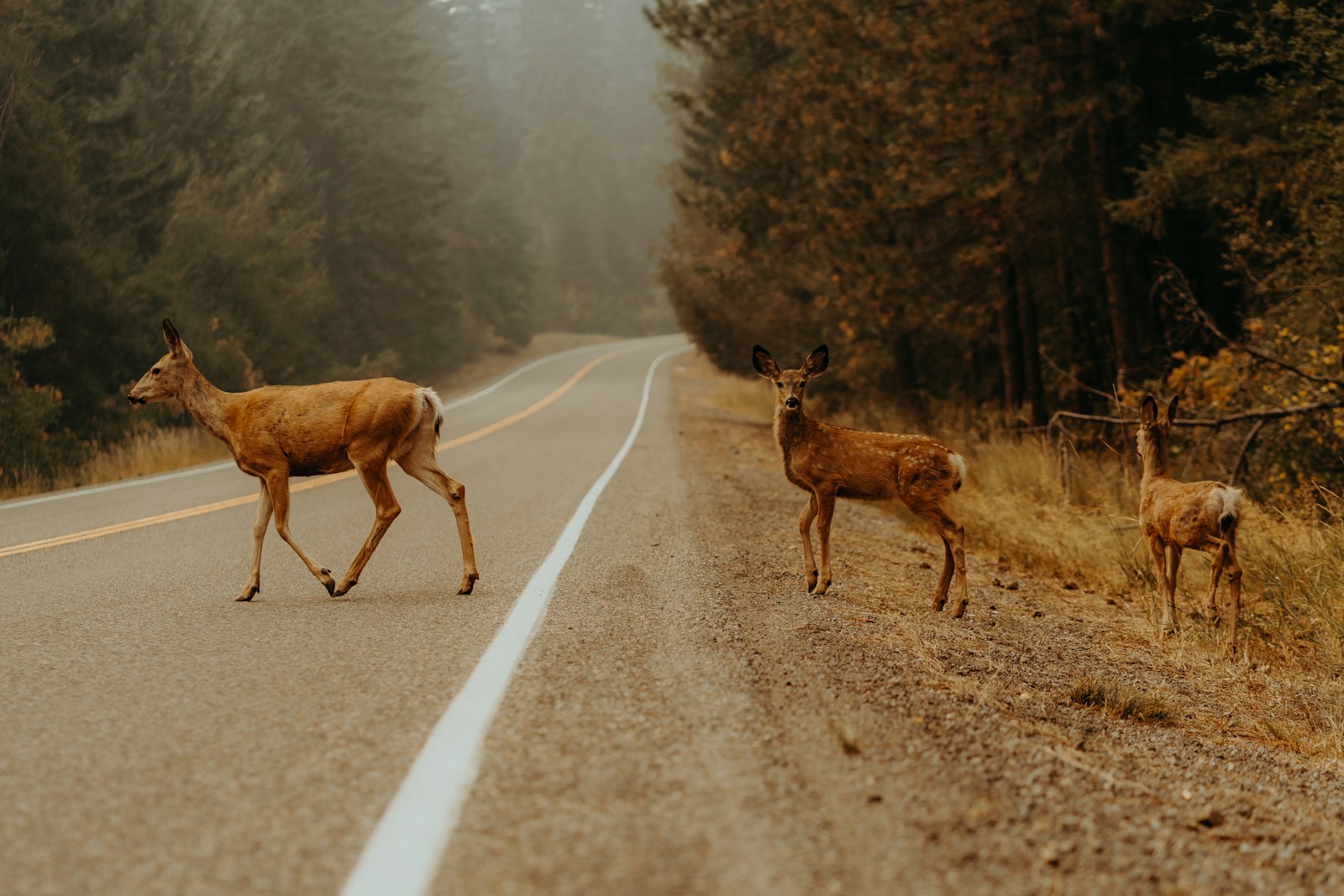
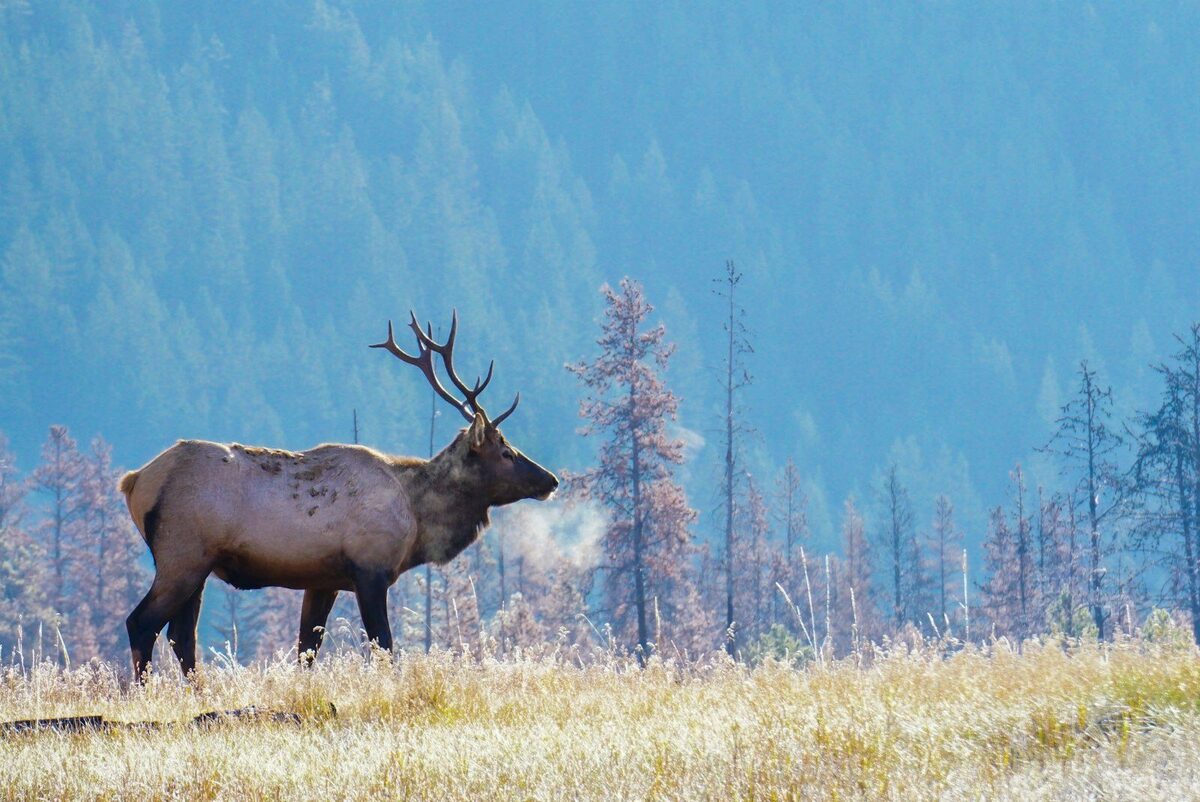
If you live or drive in the White Mountains, a wildlife collision is one of those things that’s never expected and yet not exactly rare. Mule deer, elk, and the occasional javelina all share the roads with drivers across Show Low, Pinetop-Lakeside, Snowflake, and the surrounding national forest land. Most of the time, drivers see the animal in time. But when they don’t, the damage to the vehicle can range from a cracked grille to a totaled front end, depending on speed, angle, and the size of the animal.
Knowing what to do in the minutes, hours, and days after a wildlife collision will help you stay safe, protect your insurance claim, and get your vehicle into the right shop for the kind of repair these accidents typically require.
Step 1: Get to a Safe Position
Immediately after the impact, your priority is safety, not the vehicle. If your car is still drivable, pull off the road as far as possible, ideally onto a wide shoulder or into a turnout. Turn on your hazard lights. If you’re on a curve or just over a hill where oncoming traffic can’t see you, that’s an especially dangerous spot to stop, so move further if you can do so safely.
Do not approach the animal. A wounded elk or deer can be dangerous, and animals that look unconscious can suddenly thrash or move. Wait for emergency responders or wildlife officials.
Step 2: Call It In
For any wildlife collision involving injury, significant vehicle damage, or a hazardous situation on the roadway, call 911. The dispatcher will determine the appropriate response, which may include local police, the county sheriff, Arizona Department of Public Safety, or Arizona Game and Fish.
An official report does several things at once. It documents the incident for your insurance claim, alerts wildlife officials to a downed animal that may be a hazard for other drivers, and creates a record that can be important if the vehicle later turns out to have damage you didn’t notice at the scene.
Step 3: Document Everything
If conditions allow, take photos of the vehicle from multiple angles, photos of the road and surroundings, and a photo of the animal if it’s safely accessible. Note the time, the exact location, the weather, and any details about how the collision happened. Your phone’s camera timestamps and GPS metadata will help establish the record automatically.
This documentation matters more than people expect. Insurance companies process wildlife claims under comprehensive coverage rather than collision coverage, which usually means a lower deductible and no at-fault assignment, but the carrier will still want clear evidence of what happened.
Why Wildlife Collisions Often Cause Hidden Damage
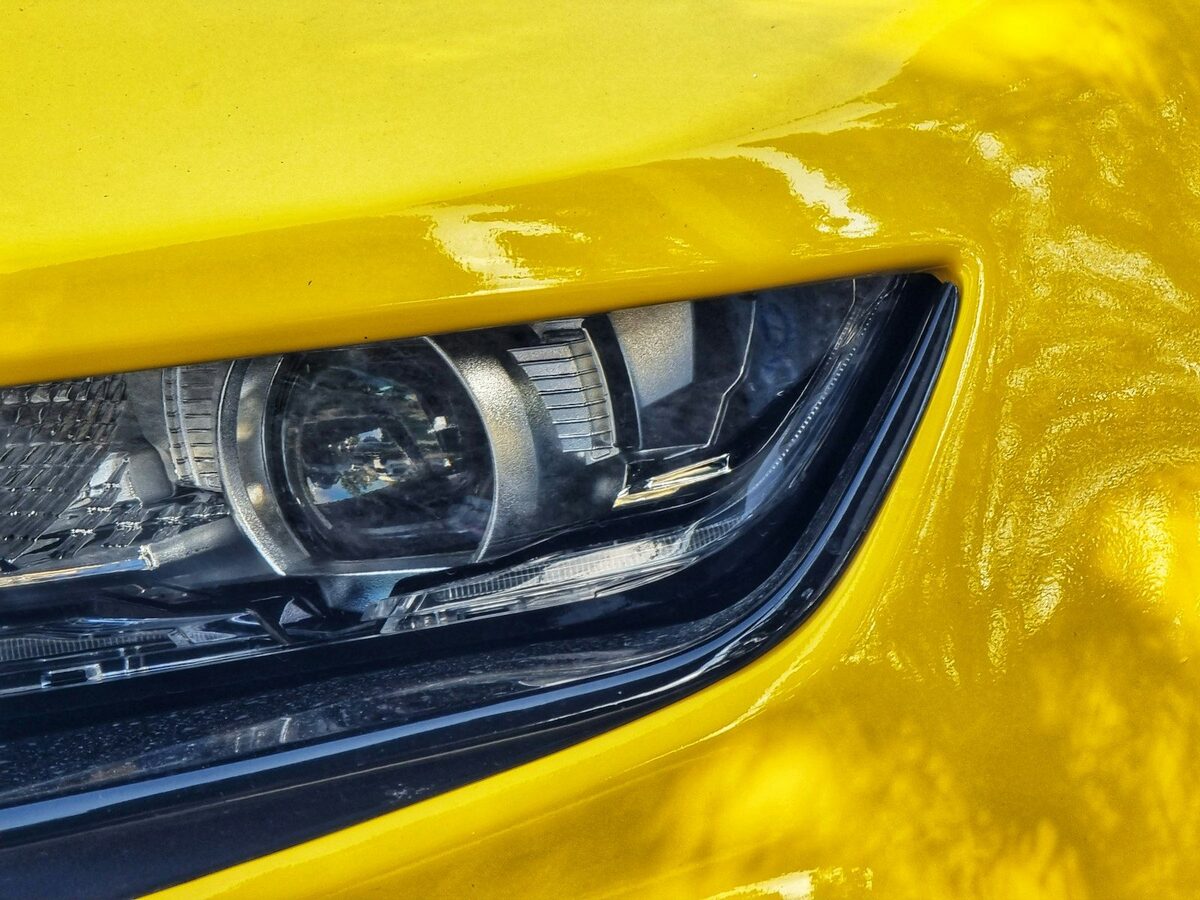
The visible damage from a deer or elk strike is usually obvious: a crumpled hood, a broken grille, a smashed headlight, fluid leaking from a punctured radiator. What’s less obvious is the structural and mechanical damage that often happens behind the visible exterior.
An adult elk can weigh more than 700 pounds. A mule deer can exceed 200. When that mass strikes the front of a vehicle at highway speed, the energy is absorbed by the bumper reinforcement, the radiator support, the front frame rails, and in many cases, the hood and fenders. Modern vehicles are designed to crumple in specific zones to protect occupants, which means structural components may be deformed even when the body looks mostly intact.
Beyond structure, wildlife strikes regularly damage:
- Radiators and air conditioning condensers, which can fail days or weeks later
- Forward-facing cameras and radar sensors used by safety systems
- Headlight assemblies and their mounting brackets
- Hood latch mechanisms, which create a serious safety risk if compromised
- Airbag sensors, even if the airbags didn’t deploy
This is why a wildlife collision should always be evaluated by a collision repair professional, even when the vehicle is still drivable.
What the Repair Process Typically Involves
A typical wildlife collision repair starts with a full damage assessment, including a measurement of the vehicle structure to confirm whether the frame or unibody has been pushed out of factory specification. If structural damage is present, frame straightening is the first step before any cosmetic work.
From there, the work usually involves replacing damaged exterior panels, installing a new radiator support and cooling components, repairing or replacing the hood, addressing any sensor or camera issues that affect ADAS systems, and refinishing the affected areas with color-matched paint and clear coat. For most wildlife collisions, the repair touches multiple systems at once, which is why working with a shop that handles the full scope of collision repair matters.
Insurance: Comprehensive vs. Collision
One thing that surprises many drivers is that wildlife collisions are typically covered under comprehensive insurance, not collision coverage. Comprehensive covers damage from animals, weather, theft, vandalism, and similar events that aren’t the result of crashing into another vehicle or object.
This usually works in the driver’s favor. Comprehensive claims generally don’t raise rates the way at-fault collision claims can, and the deductible is often lower. However, you do need to actually have comprehensive coverage on your policy. If you only carry liability or collision, a wildlife strike may not be covered at all.
The team at Heck’s Collision Center can help you navigate the claim process. Insurance claim assistance is part of the standard service, including direct coordination with major carriers to streamline approvals.
Choosing a Shop That Understands Wildlife Damage
Not every collision shop handles wildlife strikes the same way. The damage patterns are distinct, the parts inventory needs are different from a typical fender bender, and the repair often involves systems that require manufacturer-approved procedures. A shop with experience working on vehicles damaged by elk and deer in this region knows what to look for, what tends to get missed in a quick assessment, and how to manage the claim from estimate to completion.
Heck’s Collision Center has handled wildlife-related repairs for drivers across the White Mountains for years. The shop holds I-CAR Gold Class certification, which is the industry’s highest professional recognition for collision repair facilities, and the team is familiar with the specific damage patterns that come from animal strikes at highway speed.
If You’ve Just Had a Wildlife Collision
Once you’re in a safe place and the immediate situation is handled, the next step is getting your vehicle properly assessed. Even if it drives fine, hidden damage is common with wildlife strikes, and the longer you wait, the harder it is to tie issues back to the original incident for insurance purposes.
Browse examples of completed collision repair work to see the kind of restoration the shop is capable of, or read what local drivers have said about their experience.
Heck’s Collision Center
2701 Porter Mountain Rd., Lakeside, AZ 85929
928.368.2288
Monday to Friday: 8:00 AM to 5:00 PM
Request your free estimate online. Proudly serving Show Low, Pinetop-Lakeside, Lakeside, Snowflake, Taylor, and all of Northeastern Arizona.
‹ Back
Recent Posts
-
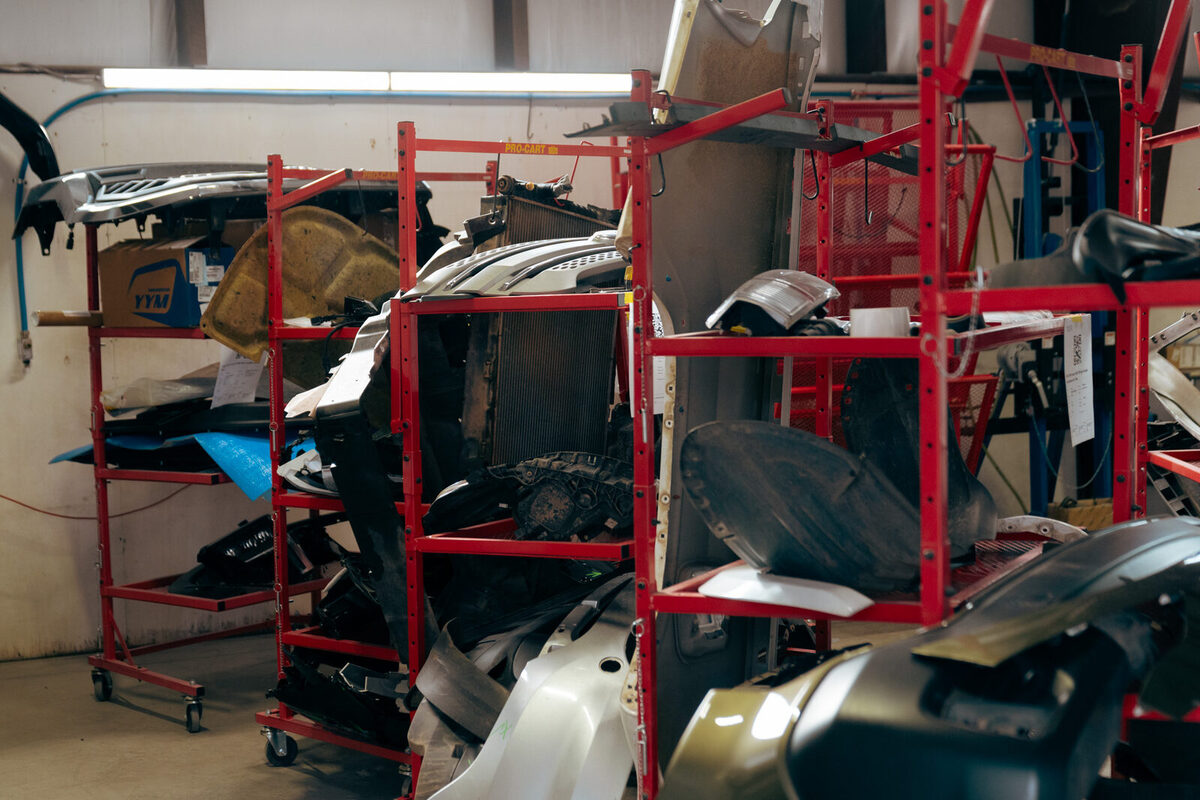
When Is a Car "Totaled"? Understanding Total Loss vs. Repair in Arizona
September 8, 2026
-
-
-
-