

Blog
Bumper Repair vs. Replacement: How Lakeside Drivers Can Tell the Difference
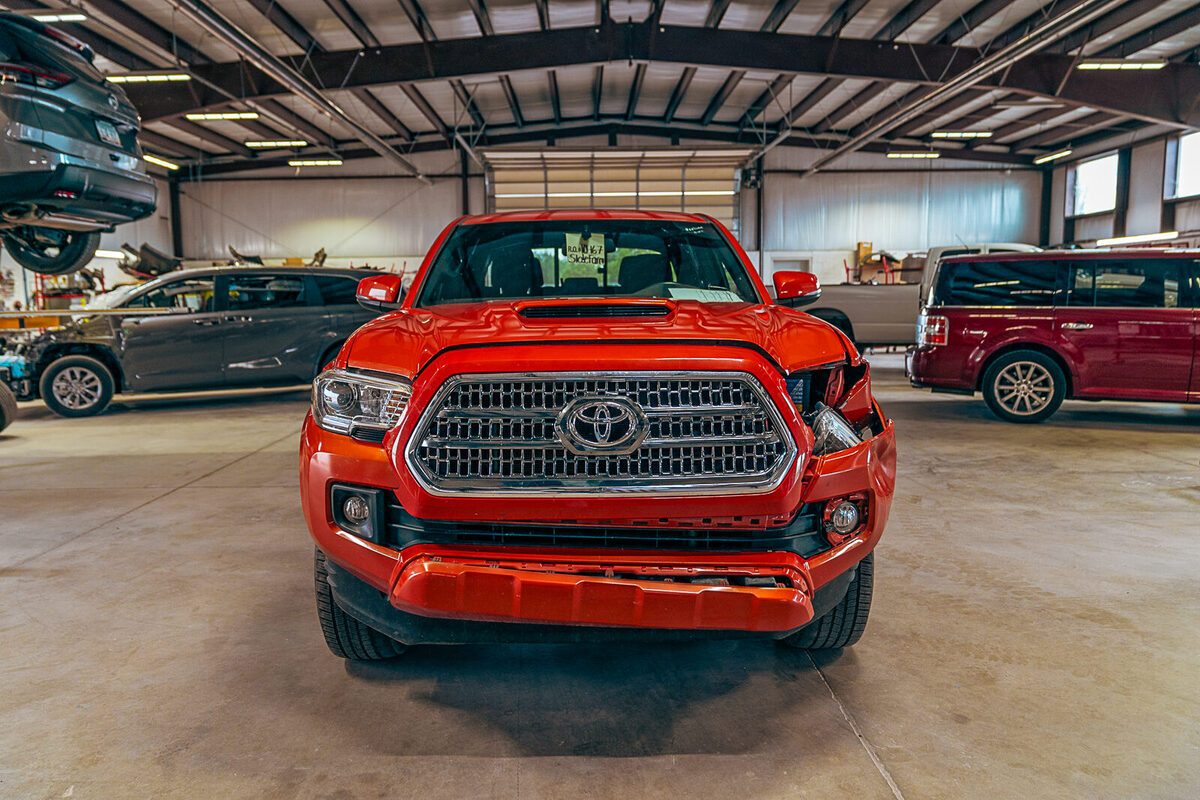
When you bring a vehicle in after a collision, one of the first questions on a damaged bumper is whether it can be repaired or whether it needs to be replaced. It seems like it should be a simple call, but it is one of the more misunderstood decisions in collision repair. A bumper that looks badly damaged can sometimes be repaired, while one that looks fine can hide damage that requires replacement.
Here is how the decision actually gets made, so drivers in Lakeside, Show Low, and the surrounding area can understand what goes into it and ask the right questions.
What a Modern Bumper Really Is
The first thing to understand is that the bumper you see is not really the bumper. On almost every modern vehicle, the colored, body-matched piece is the bumper cover, made of flexible plastic. Behind it sits the actual bumper structure: an energy-absorbing foam or honeycomb layer, and a reinforcement bar made of steel, aluminum, or composite. Increasingly, the bumper area also houses sensors, parking assist components, and sometimes radar units for safety systems.
So a bumper repair is really about evaluating several layers, not just the cover you can see.
When a Bumper Can Be Repaired
Repairing the bumper cover is often the right choice, and a good one. Plastic bumper covers can frequently be repaired when:
- The damage is limited to scuffs, scrapes, or shallow scratches in the finish
- There are minor cracks that can be properly repaired and reinforced
- The cover is dented or deformed but the plastic is intact and can be reshaped
- The mounting points and the structure behind the cover are undamaged
When a cover can be repaired, it is usually faster and less expensive than replacement, and once it is refinished correctly, the result is indistinguishable from new. The key is that the repair has to be done properly, including correct preparation and refinishing so the paint matches and holds up.
When a Bumper Needs to Be Replaced
Replacement becomes the right call in several situations:
The Cover Is Too Damaged to Repair
Large cracks, torn plastic, missing sections, or damage to the mounting tabs often mean the cover cannot be reliably restored. A poorly repaired cover that fails later is not worth the short-term savings.
The Structure Behind It Is Damaged
This is the part drivers do not see. If the energy-absorbing foam is crushed or the reinforcement bar is bent, those components have done their job in protecting you, but they no longer will in a future impact. They have to be replaced to restore the vehicle's designed crash protection. A bumper cover can look almost perfect while the structure behind it is compromised.
Sensors and Safety Components Are Affected
When the bumper houses parking sensors, cameras, or radar units, any damage to those components, or to their precise mounting positions, requires careful inspection and often replacement and recalibration. These systems are calibrated to tight tolerances, and a misaligned sensor can quietly stop working correctly.
If your vehicle has bumper damage and you are not sure whether it needs repair or replacement, an honest assessment is the place to start. Request a free estimate online for a clear evaluation.
Why You Should Be Cautious of the Cheapest Option
Bumper work is an area where cutting corners is tempting and risky. A shop might offer to simply repair or replace the cover without properly addressing the structure behind it, which lowers the price but leaves the vehicle less safe in the next collision. Or low-quality aftermarket covers might be used that do not fit well or hold paint properly.
The right approach is to evaluate every layer, repair what can be safely repaired, replace what needs replacing, and restore the vehicle to the condition and safety level it had before the accident. That is the difference between a repair that looks fine today and one that actually protects you.
Sensors, Cameras, and Calibration
It is worth saying more about the technology packed into modern bumpers, because it is the part drivers least expect. Front and rear bumpers commonly house parking sensors, backup and surround-view cameras, and on many vehicles the radar unit that powers adaptive cruise control and automatic emergency braking. These components are aimed and calibrated to precise tolerances.
When a bumper is damaged, even if a sensor itself survives, the impact can shift its mounting position by a small amount that is enough to throw it off. After bumper work on a vehicle with these systems, the sensors usually need to be inspected and recalibrated to factory specification. Skipping that step can leave a safety system quietly reading the world incorrectly, with no warning light to tell you. A shop that understands modern vehicles treats calibration as a standard part of the repair, not an optional add-on.
How Long Does Bumper Work Take?
Timelines vary with the extent of the damage. A straightforward cover repair and refinish can be quick, while a job that involves replacing the cover, the energy absorber, the reinforcement bar, and recalibrating sensors naturally takes longer. Parts availability also plays a role, since the right cover or bracket sometimes has to be ordered. A good shop will give you a realistic timeline up front and keep you informed if a teardown reveals additional damage that extends it.
Why the Refinish Quality Matters
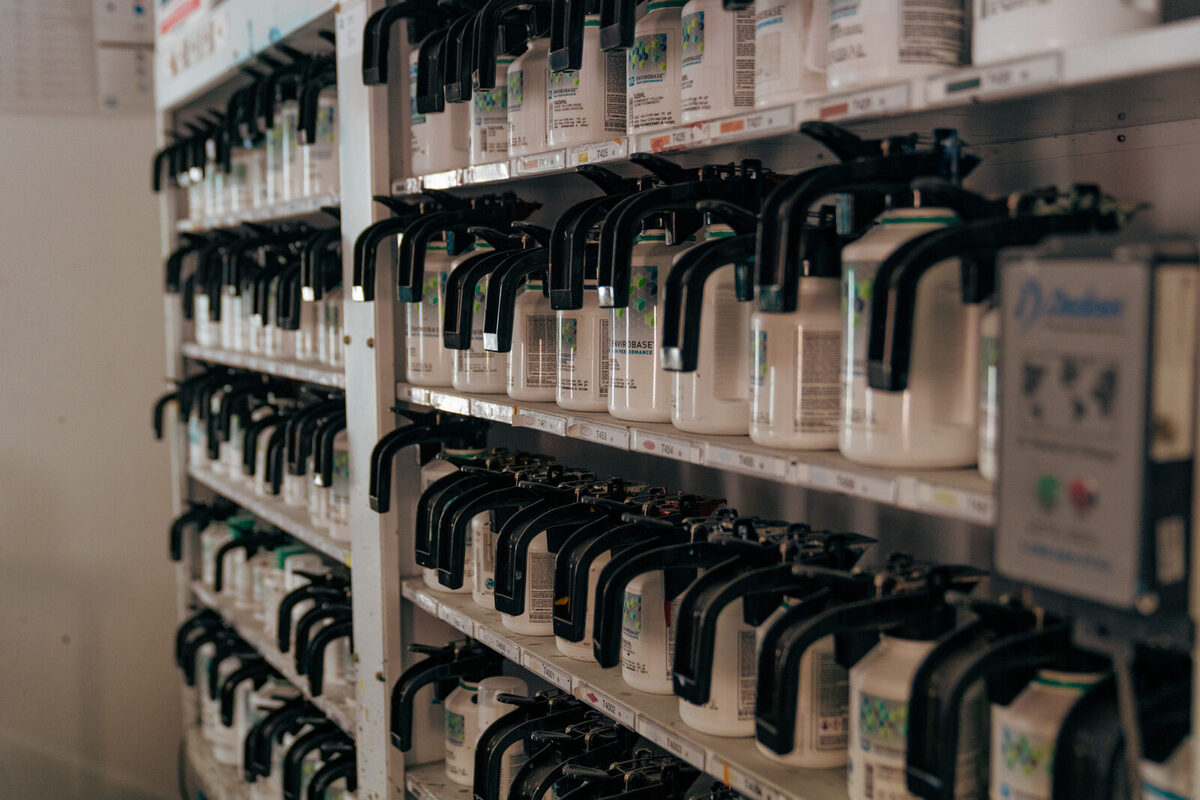
Even a perfectly repaired or replaced bumper looks wrong if the paint does not match. Bumper covers are plastic, which takes paint differently than the metal panels around them, and a vehicle's color shifts slightly over time with sun exposure. Proper refinishing means matching to the vehicle's current color and blending into the adjacent panels so the repair disappears. A rushed paint job that does not account for this leaves a bumper that is a shade off from the rest of the car, which is one of the most common signs of a low-quality repair.
Getting It Done Right
Whether your bumper needs a cover repair, a full replacement, or work on the structure and sensors behind it, the goal is the same: restore both the appearance and the safety of the vehicle. As an I-CAR Gold Class certified shop, Heck's Collision Center follows manufacturer-approved procedures, evaluates the full bumper assembly rather than just the visible cover, and is transparent about which parts are being repaired or replaced and why.
Learn more about our collision repair process, or browse completed work examples from drivers across the White Mountains.
Heck's Collision Center
2701 Porter Mountain Rd., Lakeside, AZ 85929
928.368.2288
Monday to Friday: 8:00 AM to 5:00 PM
Request your free estimate online. Proudly serving Show Low, Pinetop-Lakeside, Lakeside, Snowflake, Taylor, and all of Northeastern Arizona.
‹ Back