

Blog
Foggy, Yellowed Headlights? Why Restoration Matters Before the Darker Months
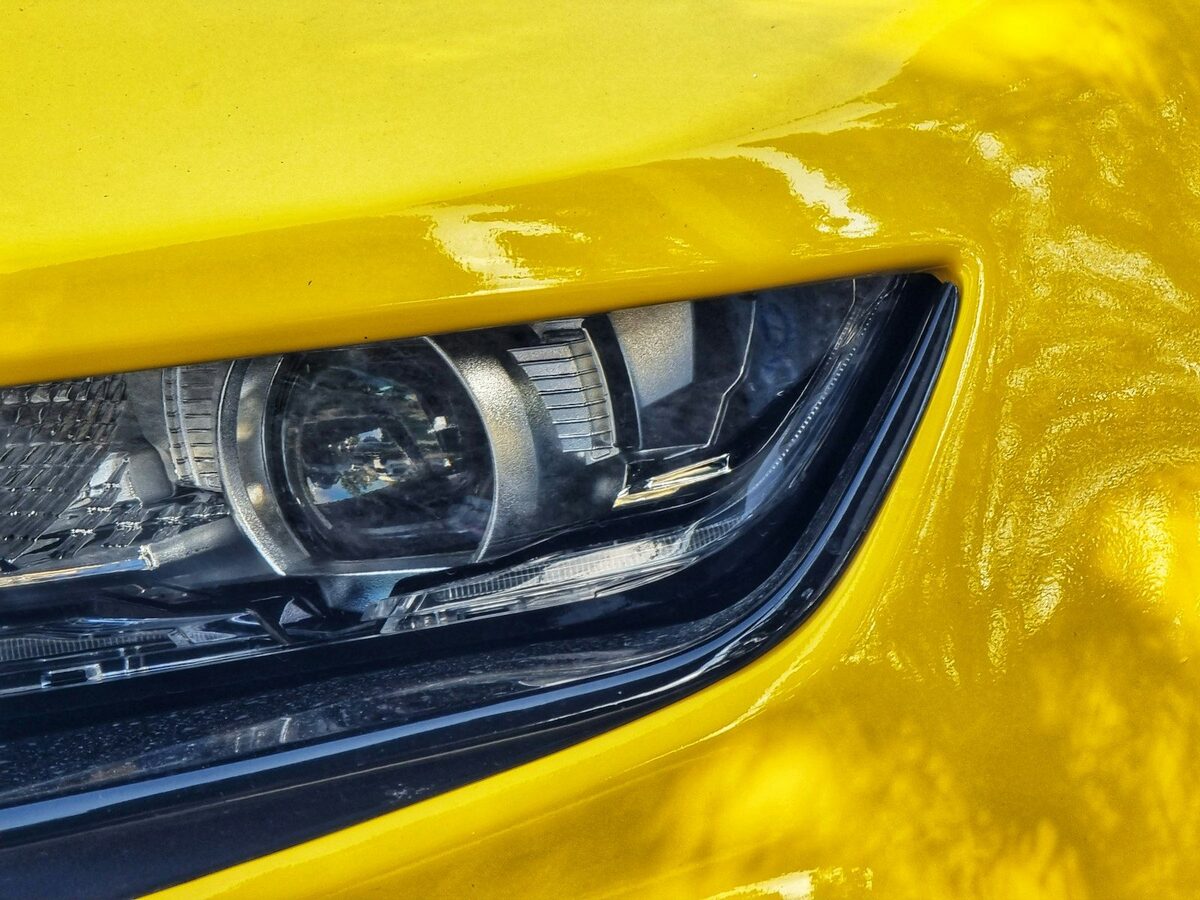
You may not notice it happening, because it happens slowly. Over a few years, the once-clear plastic lenses on your headlights turn cloudy, then yellow, then hazy enough that they look permanently dirty no matter how much you wash them. It is one of the most common cosmetic issues on vehicles more than a few years old, and here in the White Mountains, with our strong high-elevation sun, it tends to happen faster.
Foggy headlights are easy to ignore, but they are more than a looks problem. As the darker months approach and you spend more of your driving time after sunset, the condition of your headlights becomes a genuine safety issue. Here is what is happening and what can be done about it.
Why Headlights Turn Yellow and Hazy
Modern headlight lenses are made of polycarbonate plastic, which is lightweight, durable, and far more impact-resistant than the glass headlights of decades past. From the factory, these lenses have a protective coating that shields them from UV light. The problem is that this coating breaks down over time, and once it does, the plastic underneath is exposed.
From there, several things attack the lens. UV radiation, which is more intense at our elevation, oxidizes the plastic and turns it yellow and cloudy. Road debris and grit create fine scratches. Heat cycling and chemicals from washing speed the breakdown. The result is the familiar hazy, yellowed look that gets worse year after year.
Why This Is a Safety Issue, Not Just a Cosmetic One
Here is what many drivers do not realize: hazy headlights significantly reduce how much light actually reaches the road. Studies have found that badly oxidized headlights can cut light output by a large margin compared to clear lenses, even with brand-new bulbs installed.
The cloudiness does two things. It blocks and absorbs light that should be projecting forward, and it scatters the remaining light in random directions, which both reduces your visibility and creates glare for oncoming drivers. On dark mountain roads, where you are already watching for wildlife and dealing with no street lighting, that loss of visibility matters. You may be driving with far less effective lighting than you think.
Why It Gets Worse Heading Into Fall and Winter
The timing is worth paying attention to. As we move toward fall and winter, daylight hours shrink, and more of your driving happens in the dark. At the same time, fall is when wildlife activity along the roads picks up, and winter brings weather that already reduces visibility. Clear, effective headlights are most important in exactly the conditions that are coming.
If your headlights have yellowed or hazed over, getting them restored before the darker months is a small step that makes a real difference in how safely you can see and be seen.
What Can Be Done
The good news is that in most cases, foggy headlights do not need to be replaced. Headlight restoration is a process that removes the oxidized, damaged outer layer of the lens and restores clarity. Done properly, it involves sanding away the degraded surface, polishing the plastic back to clarity, and applying a fresh protective coating so the results last rather than hazing over again in a few months.
That last step matters. A quick polish without a new protective coating will look good briefly and then oxidize again quickly. A proper restoration is meant to last.
In cases where the lens is cracked, the housing is damaged, or moisture has gotten inside the assembly, replacement may be the better option. An assessment will tell you which approach your vehicle needs. Request a free estimate online to get your headlights evaluated.
DIY Kits vs. Professional Restoration
Plenty of drivers try a store-bought headlight restoration kit, and they can produce a noticeable short-term improvement. The catch is in how long it lasts. Most inexpensive kits involve sanding and polishing but do not include a durable UV-resistant coating to replace the factory protection that wore away. Without that final sealing step, the bare polished plastic oxidizes again quickly, often within a few months, and you are back where you started.
A professional restoration addresses the same underlying problem but finishes the job properly, with a protective coating designed to last. For a vehicle you plan to keep, that durability is usually worth it, since redoing a fading DIY job every few months adds up in both time and money.
How Long Does a Restoration Last?
A quality restoration with a proper protective coating typically lasts a few years before the lenses begin to haze again, though our strong high-elevation sun can shorten that compared to milder climates. Keeping the vehicle out of direct sun when possible and cleaning the lenses gently rather than with harsh abrasives both help extend the results.
Do Not Forget Aim and Bulbs
Clarity is only part of nighttime visibility. Two other things are worth checking at the same time. First, headlight aim: lenses that point too low or unevenly leave you with less usable light and can blind oncoming drivers, and aim can drift over time or after front-end work. Second, the bulbs themselves dim gradually as they age, so a set of bulbs several years old may be putting out noticeably less light than when they were new. Addressing clarity, aim, and bulbs together gives you the best possible vision heading into the dark months.
A Small Job With a Big Payoff
Among all the things a vehicle might need, headlight restoration is one of the most cost-effective. It improves safety, makes the vehicle look years newer, and even helps a bit with resale value, since hazy headlights are one of the first things that make a vehicle look neglected. Heading into the darker part of the year, it is a smart, simple improvement.
As an I-CAR Gold Class certified shop, Heck's Collision Center handles headlight restoration and replacement, along with the full range of cosmetic and collision work, using quality products and proper procedures.
Learn more about our services, or browse completed work examples from drivers across the White Mountains.
Heck's Collision Center
2701 Porter Mountain Rd., Lakeside, AZ 85929
928.368.2288
Monday to Friday: 8:00 AM to 5:00 PM
Request your free estimate online. Proudly serving Show Low, Pinetop-Lakeside, Lakeside, Snowflake, Taylor, and all of Northeastern Arizona.
‹ Back