

Blog
Sun, Heat & High-Elevation UV: Protecting Your Car's Paint Through an Arizona Summer
Arizona is hard on car paint, and the White Mountains add their own twist. Drivers up here deal with intense high-elevation sunlight, big temperature swings between hot afternoons and cold nights, monsoon moisture, and winter road treatments, all in the same year. Over time, that combination takes a real toll on a vehicle's finish. The good news is that with a little understanding and care, you can keep your paint looking sharp and protect the value of your vehicle.
Here is what summer sun and high-elevation conditions actually do to automotive paint, and how to protect it.
Why High-Elevation Sun Is So Tough on Paint
UV radiation is the main enemy of car paint, and at the elevations around Show Low and Pinetop-Lakeside, there is more of it. The higher you go, the thinner the atmosphere, and the less UV is filtered out before it reaches your vehicle. Combine that with the long, bright summer days common in Arizona, and a vehicle parked outside is absorbing a lot of UV energy.
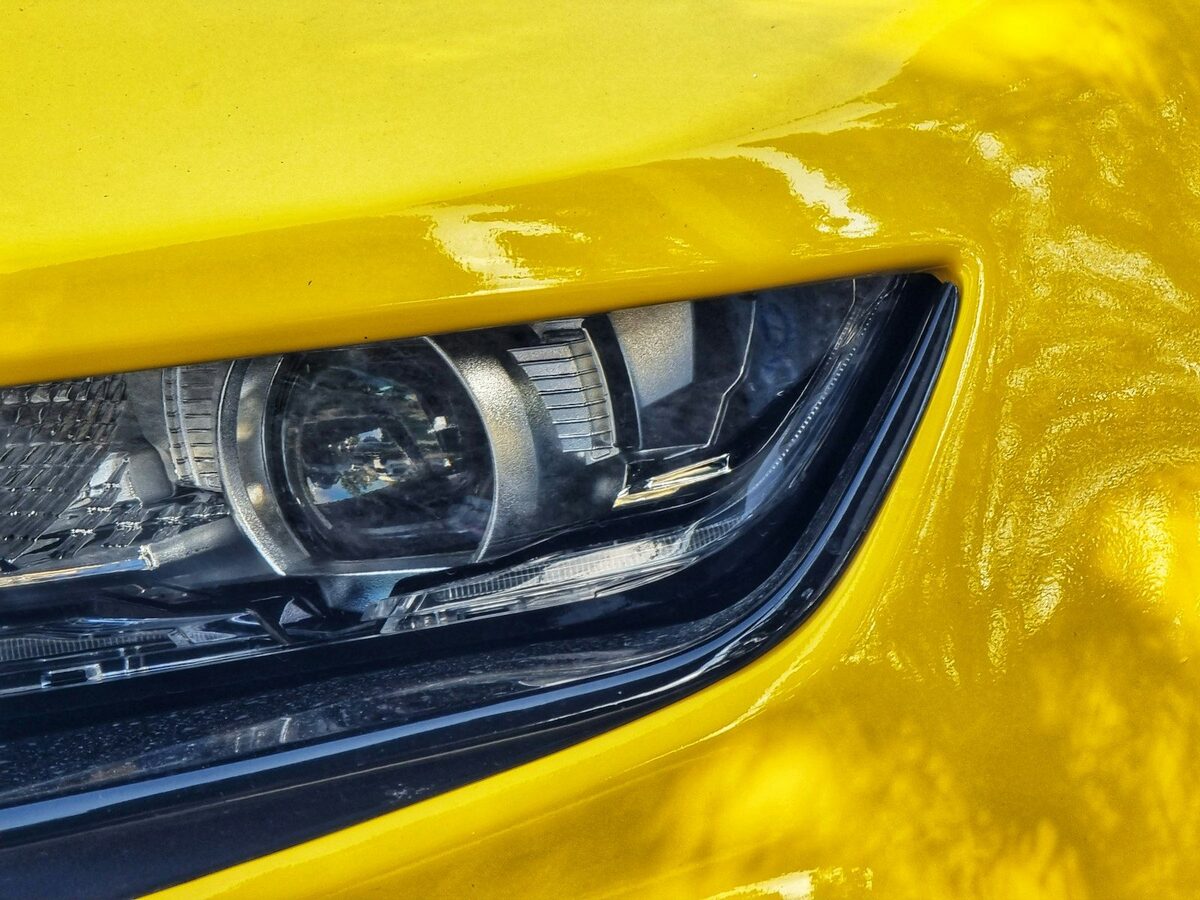
UV exposure breaks down the clear coat, the protective top layer that gives modern paint its gloss and shields the color underneath. As the clear coat degrades, paint starts to fade, oxidize, and eventually peel. Darker colors and red tones tend to show this fastest, but every color is affected over time.
Heat, Cold, and the Daily Cycle
It is not just the sun. The daily temperature swing up here means paint and the metal beneath it are constantly expanding and contracting. Over years, this cycling stresses the finish, particularly anywhere it is already compromised by a chip or scratch. Heat also bakes contaminants like bird droppings, tree sap, and bug residue into the surface, where they can etch permanent marks into the clear coat if they are not removed promptly.
Signs Your Paint Is Taking Damage
Watch for these early warning signs:
- A dull, chalky look on surfaces that used to be glossy, which is oxidation
- Fading or color shift, most visible on horizontal panels like the hood and roof
- Clear coat that looks cloudy, is flaking, or shows a milky haze
- Water spots or etching that will not wash off
- Small chips and scratches that expose bare metal
Catching these early matters, because surface-level oxidation can often be corrected, while clear coat failure that has progressed too far usually requires repainting the affected panels.
How to Protect Your Paint
A few habits go a long way in this climate:
Wash Regularly
Washing removes the contaminants, dust, and road grime that grind against and etch the finish. Up here, where dusty roads and bug season are part of life, regular washing is more than cosmetic.
Wax or Seal the Finish
A coat of quality wax or paint sealant adds a sacrificial layer that absorbs UV and resists contaminants. Reapplying a few times a year, especially heading into summer, gives the clear coat meaningful protection. Ceramic coatings offer longer-lasting protection for drivers who want it.
Park in the Shade or a Garage
The single most effective thing you can do is keep the vehicle out of direct sun when possible. A garage, carport, or even consistent shade dramatically slows UV damage and reduces the daily heat cycling.
Address Chips and Scratches Promptly
Any break in the paint is an entry point for UV and moisture to attack the metal and surrounding finish. Touching up chips early keeps a small problem from spreading.
If your vehicle's finish is already showing fading, oxidation, or clear coat damage, a professional assessment can tell you whether it can be corrected or needs refinishing. Request a free estimate online to find out what your paint needs.
When Repainting Is the Right Call
Sometimes the damage has gone past what polishing and protection can fix. When clear coat is peeling or paint has failed, the proper solution is refinishing the affected panels. This is where doing it right matters. Quality paint and refinishing work involves correctly matching the vehicle's current color, which has usually shifted from the factory shade due to sun exposure, and blending into the surrounding panels so the repair is invisible. A rushed paint job that does not account for color matching and blending stands out and does not last.
It Is Not Just the Paint: Trim, Plastic, and Glass
The sun does not stop at the painted panels. High-elevation UV is hard on every exterior surface, and several of them age faster than the paint does. Black plastic trim and cladding fade to a chalky gray. Rubber seals around doors and windows dry out and crack, which can let in water and wind noise. Headlight lenses cloud and yellow, cutting your nighttime visibility. And interior surfaces like the dashboard and upholstery fade and crack when a vehicle is parked in the sun day after day.
When you are protecting a vehicle from the Arizona sun, it pays to think about the whole exterior, not just the body color. Treating trim and seals, keeping glass and lenses clear, and using a sunshade for the interior all extend the life and appearance of the vehicle.
Paint Correction vs. a Quick Buff
When oxidation and fine scratches have dulled a finish that is otherwise sound, paint correction can often restore the gloss without repainting. This is a careful process of leveling the clear coat to remove the damaged top layer and bring back clarity, followed by protection to preserve the result. It is very different from a quick buff at a car wash, which may add temporary shine but does nothing to address the underlying oxidation or to protect the surface afterward.
The key is knowing when correction is enough and when the clear coat has failed past the point of saving, which is where refinishing becomes the honest answer. A proper assessment tells you which camp your vehicle is in, so you are not paying for a polish that will not last or, on the other end, repainting a panel that only needed correction.
Protect the Finish, Protect the Value
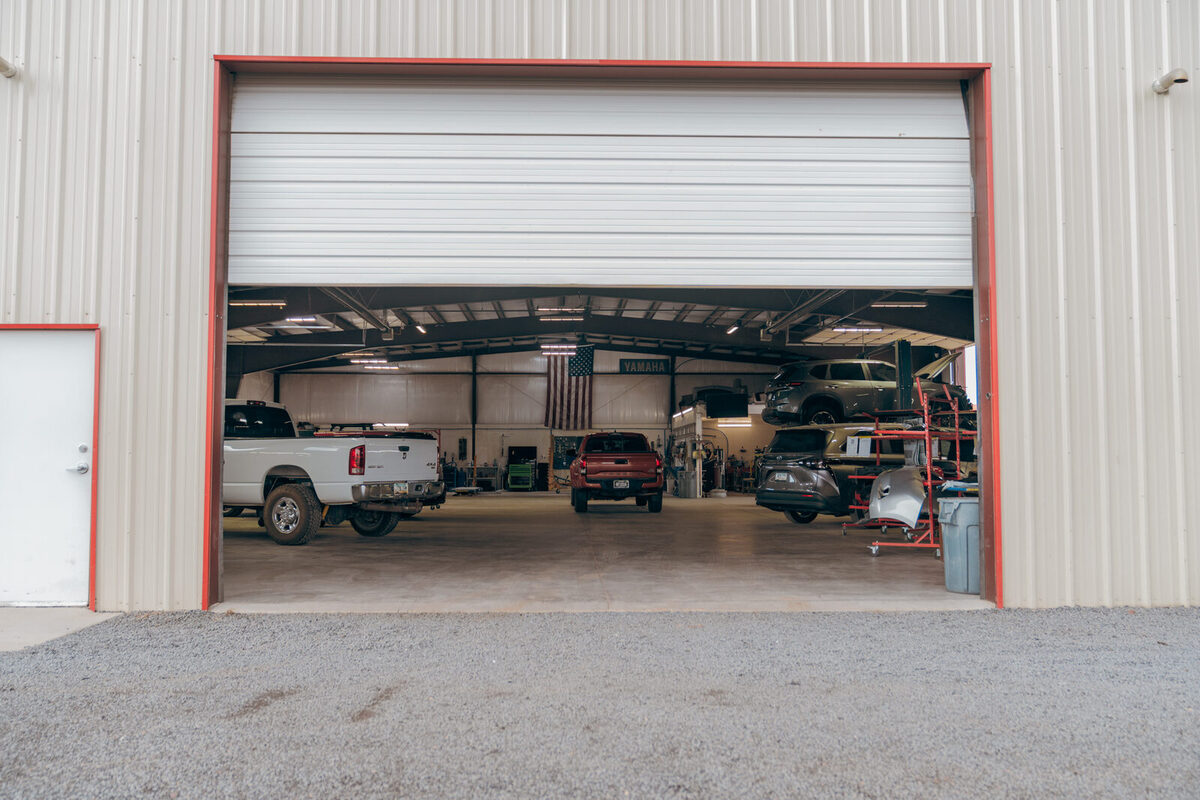
A vehicle's paint is the first thing anyone notices, and it directly affects resale value. In a climate as demanding as the White Mountains, a little ongoing care keeps your finish looking great and avoids bigger repair costs down the road. As an I-CAR Gold Class certified shop, Heck's Collision Center handles everything from paint correction to full panel refinishing using manufacturer-approved products and procedures.
Browse completed work examples, or read what local drivers have said about their experience.
Heck's Collision Center
2701 Porter Mountain Rd., Lakeside, AZ 85929
928.368.2288
Monday to Friday: 8:00 AM to 5:00 PM
Request your free estimate online. Proudly serving Show Low, Pinetop-Lakeside, Lakeside, Snowflake, Taylor, and all of Northeastern Arizona.
‹ Back
Recent Posts
-
When Is a Car "Totaled"? Understanding Total Loss vs. Repair in Arizona
September 8, 2026
-
-
-
-